Legal Notice
This book is intended for informational purposes only. The information contained herein does not replace medical, veterinary, or other professional advice. For health concerns, please always consult a physician or veterinarian.
About Hydroxil: Aqua Electra Hydroxil is registered in Germany as a biocidal product under EU Biocidal Products Regulation No. 528/2012 with the BAuA (N-95701). It is not a pharmaceutical product and not a medical device as defined by the EU Medical Devices Regulation (MDR 2017/745).
Use biocides safely. Always read the label and product information before use.
About cited studies: The scientific studies mentioned in this book refer to the active substance hypochlorous acid (HOCl) in general and not necessarily to the product Hydroxil specifically. Study results do not constitute performance guarantees of the product.
About US approvals: Approvals by the FDA and EPA are valid under US law. For the German market, the BAuA registration under EU law is authoritative.
Individual results: Practical examples in this book are illustrative scenarios based on typical usage experiences. Individual results may vary.
Introduction: Why This Book?
France, 1916. A field hospital behind the front lines.

Figure 1 — Introduction: Why This Book?
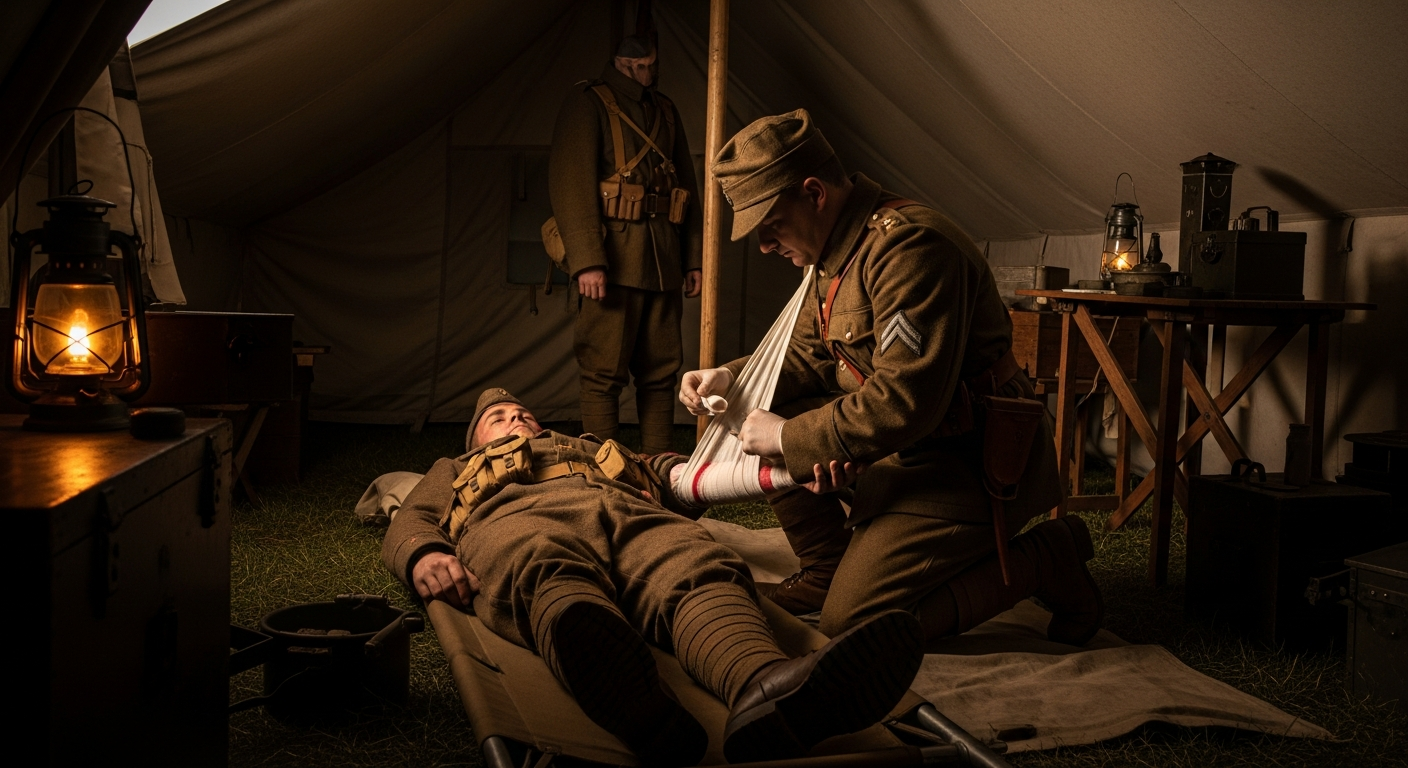
Figure 2 — Introduction: Why This Book?
Soldiers who survived shrapnel injuries die weeks later from wound infections. Iodine burns and destroys the very tissue it is supposed to save. The chemist Henry Dakin finds a solution: a dilute hypochlorous acid that kills germs without damaging healthy tissue — the so-called Dakin solution.
Then penicillin arrives. The era of antibiotics begins. And hypochlorous acid falls into obscurity for decades.
(Chapter 2 tells the full story.)
110 years later: The same problem in new packaging
Today, soldiers no longer die from infected shrapnel wounds — at least not on that scale. But the challenge is the same, just wrapped in modernity.
Hospital-acquired infections resistant to all known antibiotics. SARS-CoV-2, which showed how quickly a pathogen can bring the world to a standstill. Norovirus outbreaks in schools and nursing homes. Salmonella on the cutting board. Mould in the bathroom. Mud fever in horses. Mastitis in cattle.
Disinfection is everywhere. We spray, wipe and disinfect more than ever before.
But with what?
Take a quick look at the back of your disinfectant. Ethanol. Isopropanol. Benzalkonium chloride. Glutaraldehyde. Didecyldimethylammonium chloride.
Sounds impressive. It is — but not in a good way.
Limitations of common disinfectants
We fight bacteria with substances that are themselves a problem. That sounds paradoxical. It is.
Alcohol (ethanol/isopropanol) is the most popular disinfectant of all. Practical, fast, inexpensive. But: with regular use, it dries out the skin, increases the risk of skin damage, is highly flammable — and does not work against all types of pathogens. Against non-enveloped viruses and bacterial spores, it is largely ineffective.
Chlorine bleach (sodium hypochlorite at high concentration) has a broad spectrum. But it corrodes skin and mucous membranes, produces toxic chlorine gases when combined with ammonia, attacks surfaces, and must never be mixed with other cleaning agents.
Quaternary ammonium compounds (QACs) — these are the "professional" disinfectants found in hotels, hospitals and the food industry. Effective, yes. But QACs are increasingly under scientific scrutiny: studies suggest they may promote antibiotic resistance, trigger asthma, and cause reproductive problems. They accumulate in the environment and are difficult to break down.
Infobox: QACs and Antibiotic Resistance
A study in Nature Medicine (2019) showed that regular contact with quaternary ammonium compounds can trigger cross-resistance to antibiotics in bacteria. The mechanism: bacteria develop pump mechanisms that transport both QACs and antibiotics out of the cell. Today's disinfection could contribute to tomorrow's resistance problem.
(Source: Munita & Arias, Microbiology Spectrum, 2016; Mc Cay et al., Journal of Antimicrobial Chemotherapy, 2010)
We kill germs. But we harm ourselves in the process — and the environment. And the next antibiotic that might one day save your life.
There has to be a better way.
Your body has known this all along
Here is the irony of history: while we spent decades developing increasingly aggressive chemicals, our bodies had the solution all along.
In your blood. More precisely: in your white blood cells.
When bacteria or viruses enter your body, your immune system dispatches neutrophil granulocytes — specialised killer cells — to the site of infection. These cells engulf the invaders and destroy them with a substance they produce themselves: hypochlorous acid, or HOCl for short.
Billions of HOCl molecules per second — per cell, per infection. Continuously. Since the first minute of your life. (Chapter 1 explains the exact numbers.)
HOCl is a substance your immune system has also been producing for millions of years to fight pathogens.
And now — thanks to modern electrolysis technology — it is available in a bottle.
Infobox: How much HOCl is in you?
Neutrophil granulocytes make up about 60–70% of all white blood cells. A healthy adult has around 4,000 to 10,000 neutrophil granulocytes per microlitre of blood. During an infection, this number rises dramatically — and every single one of these cells produces HOCl as its primary weapon. Your body is literally an HOCl factory.
Your immune system was the world's first disinfectant manufacturer — and has been operating for millions of years without regulatory approval.
Same substance. Bottle instead of blood.
HOCl produced by electrolysis is chemically the same substance your body makes. What sets the active ingredient apart:
- Broadly effective — up to 99.99% germ reduction against bacteria, viruses, fungi and spores, depending on pathogen and contact time
- Alcohol-free — no fragrances, no preservatives; Hydroxil is registered as a biocidal product for surface and general disinfection
- Breaks down after use — into water and a trace amount of table salt
- No active-ingredient residues — no bioaccumulative potential
- Low odour — no harsh chemical smell
- Non-flammable — no hazardous-goods storage as with alcohol-based products
What is scientifically supported — and where the limits are — is what this book shows.
What to expect from this book
This book is not a sales brochure. It is an honest, scientifically grounded look at a substance that gets far too little attention — despite its potential to fundamentally change the way we disinfect.
You will learn:
- The science behind HOCl — explained clearly, no chemistry degree required
- How HOCl works — what happens at the molecular level when HOCl meets a pathogen
- How HOCl differs from most common disinfectants
- Where HOCl is used — from the hospital to the horse stable to the hotel kitchen
- What you can do in practice — with checklists, real-world examples and application scenarios
And you will get the answer to a question many ask when they first hear about HOCl: "Why didn't I know about this?"
Who is this book for?
For you as a private individual, if you want targeted, alcohol-free disinfection at home — including with children and pets under one roof.
For you as an animal owner or farmer, if you want to keep stables, troughs, equipment and the milking area hygienic with one product.
For you in the hospitality industry, if you want to integrate disinfection into your HACCP concept and reduce the number of individual products.
For you as a naturopath or therapist, if you are looking for an alcohol-free, standards-tested surface disinfectant for your practice rooms.
For you as a curious person, who simply wants to know whether all this is really true — or whether it is just another wellness fad.
The scientific foundation is solid — this book shows why.
Key Takeaway
Many disinfectants come with drawbacks of their own: they are flammable, corrosive or hard to break down, and some are suspected of contributing to antibiotic resistance. Hypochlorous acid is a substance your body also produces to fight pathogens — and, in tested formulations, broadly effective against bacteria, viruses and fungi. This book shows you what science knows about the active ingredient — and what it means for your everyday life.
Continue to Chapter 1: What Is Hydroxil? — The Science Behind HOCl
Chapter 1: What Is Hydroxil? — The Science Behind HOCl
Three letters that change everything
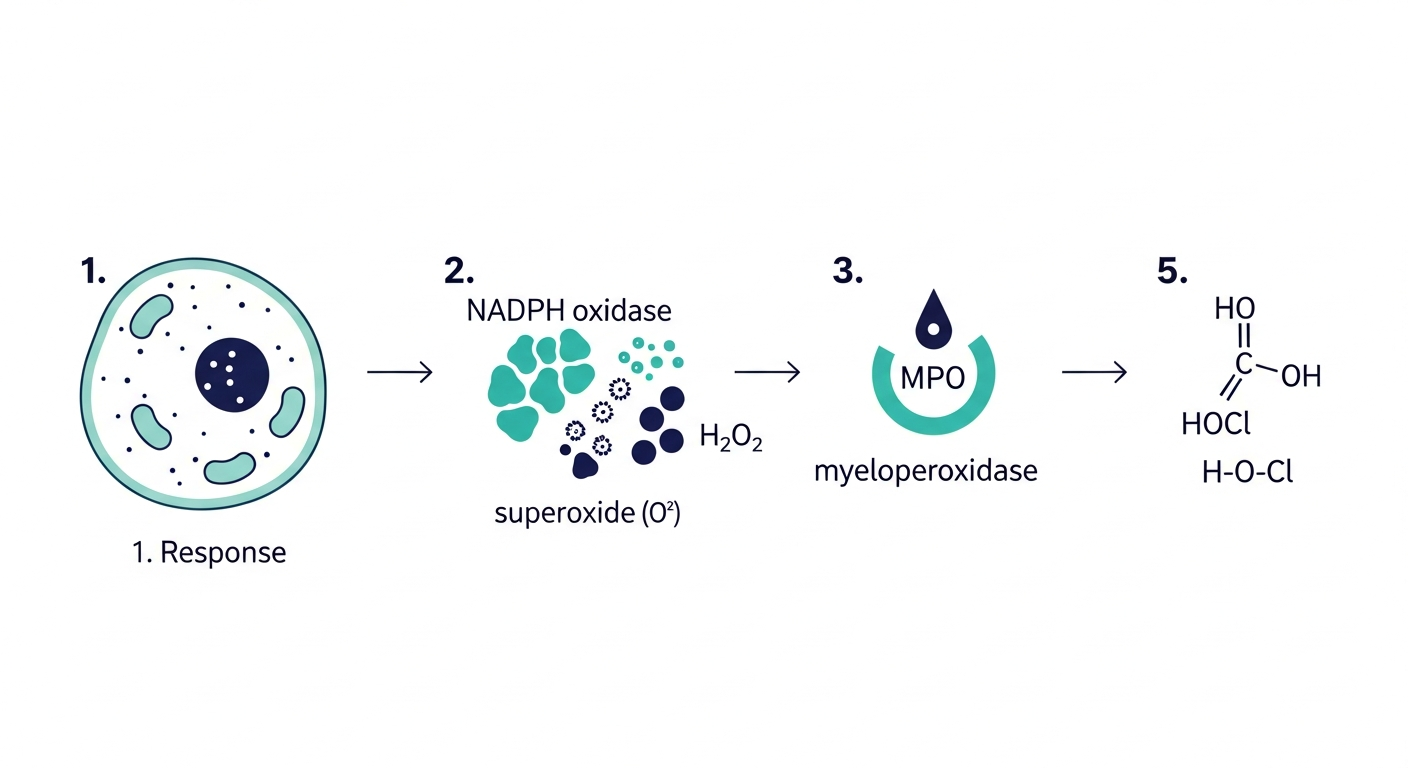
Figure 1 — Chapter 1: What Is Hydroxil? — The Science Behind HOCl
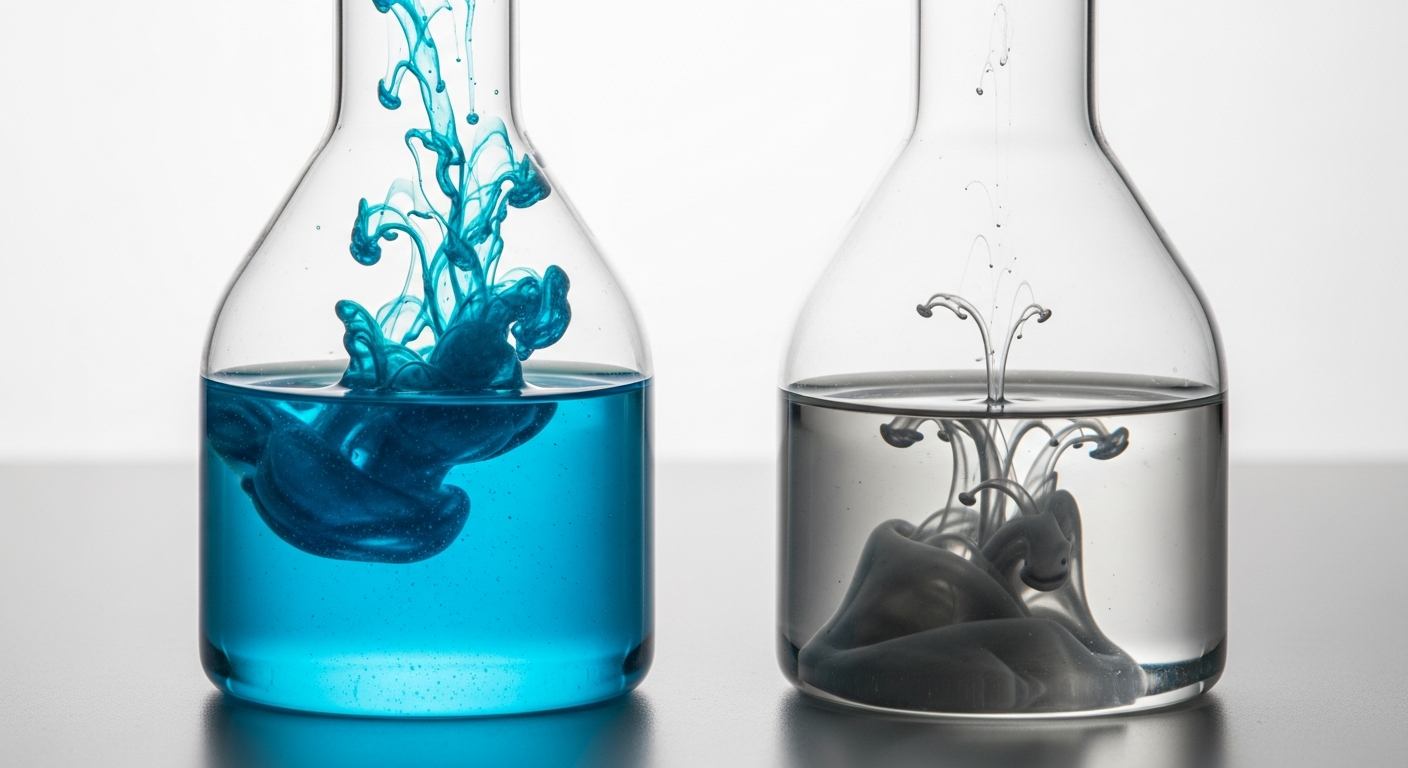
Figure 2 — Chapter 1: What Is Hydroxil? — The Science Behind HOCl
Imagine discovering that a highly effective substance against bacteria, viruses and fungi was not invented in a chemistry lab — but is a natural part of your immune response.
Not somewhere random. In your white blood cells. Right there.
When a pathogen enters your body, your immune system responds with a precision that would make any chemist envious. Specialised cells — called neutrophil granulocytes — rush to the site, engulf the intruder, and flood it with a substance that destroys it in fractions of a second.
That substance is called HOCl. Hypochlorous acid.
Three letters. One hydrogen atom, one oxygen atom, one chlorine atom. And one of the most effective antimicrobial substances known in nature.
How HOCl works
Let us take a closer look at HOCl — without a chemistry degree, promised.
The chemical formula is HOCl. It is a weak acid — colourless, with a slight chlorine smell at higher concentrations, but practically odourless at low concentrations. Hydroxil as a finished product has a pH between 6.0 and 7.4 — in the neutral to slightly acidic range.
What makes HOCl so special is not the molecule itself — it is the pH value.
Infobox: The pH Secret
HOCl is a chameleon. In the acidic to neutral range (pH 4–7.5), the highly effective form is present: HOCl — highly reactive towards pathogens. When the pH rises above 7.5, HOCl converts into the so-called hypochlorite ion (OCl⁻) — which is 80 to 100 times less effective. Hydroxil operates at pH 6.0–7.4, precisely the range where HOCl is dominant and highly active — while conventional chlorine bleach at pH 11–13 contains almost exclusively the weaker OCl⁻.
(Source: Block & Rowan, J Oral Maxillofac Surg, 2020; PMC7315945)
This is also why chlorine bleach — found in every supermarket — is so different from HOCl despite containing the same active ingredient. Chlorine bleach has a pH of 11 to 13. Strongly alkaline, corrosive, aggressive. The hypochlorite ion it produces must be used at much higher concentrations to achieve similar results — causing significantly more damage to skin, respiratory passages and the environment.
HOCl achieves the same effect at a much lower concentration. Because the pH is right.
The "Respiratory Burst" — when your body becomes a weapon
Let us take a journey inside your body. More precisely: into a neutrophil granulocyte, one of those white blood cells you carry by the billions in your bloodstream.
Neutrophils make up 60 to 70 percent of all white blood cells. Their mission: detect, pursue, destroy. When they detect a pathogen, something fascinating happens — scientists call it the "Respiratory Burst".
The sequence works like this:
First: An enzyme called NADPH oxidase starts up and produces superoxide radicals — highly reactive oxygen molecules.
Second: These superoxide radicals are rapidly converted to hydrogen peroxide (H₂O₂). Yes, the same hydrogen peroxide you know from the pharmacy.
Third: Now the key enzyme enters the picture — myeloperoxidase (MPO). It combines the hydrogen peroxide with chloride ions (Cl⁻), which are abundant in the body. The result: HOCl — hypochlorous acid.
In numbers: a single neutrophil granulocyte produces around 1.6 million HOCl molecules per second. In a full-scale immune response, billions of these cells are active.
Your body is literally an HOCl factory.
Infobox: Your immune system — the world's first disinfectant manufacturer
Long before Dettol, Purell or Domestos existed, your body was already producing HOCl as part of its immune defence. Every day. Billions of times.
(Source: Winterbourn CC. Nat Chem Biol. 2008;4(5):278-286)
HOCl vs. Bleach — the crucial difference
Here lies the biggest misconception when people first hear about HOCl: "Isn't that just chlorine bleach?"
No. And the difference is fundamental.
Both substances belong to the same chemical family — both contain chlorine. But the pH value makes all the difference. Sodium hypochlorite (NaOCl), i.e. bleach, is used at a pH of 11 to 13. At that level, the active ingredient exists almost exclusively as the hypochlorite ion (OCl⁻) — which is 80 to 100 times weaker than HOCl.
This means: to achieve the same germicidal effect, you need a much higher concentration of bleach. And a higher concentration means: more damage to skin and tissue, more toxic fumes, more environmental impact, more corrosion of materials.
HOCl is the precision scalpel. Bleach is the sledgehammer.
| Property |
HOCl (pH 6.0–7.4 for Hydroxil) |
Chlorine Bleach NaOCl (pH 11–13) |
| Relative efficacy |
80–100× higher |
Baseline |
| Skin compatibility |
Hydroxil: dermatologically tested |
Corrosive on contact |
| Mucous membrane compatibility |
Only special medical devices (not Hydroxil) |
Severely irritating to corrosive |
| Odour |
Barely perceptible |
Pungent, irritating |
| Material compatibility |
Non-corrosive |
Bleaches, corrodes metals |
| Environmental behaviour |
Breaks down into water + salt |
Toxic chlorine compounds possible |
| Use on food |
Approved in the US (FDA FCN 1811) |
No |
What does Hydroxil by Q-Life actually do?
Knowledge is good. Application is better.
The Hydroxil line from Q-Life is a stabilised HOCl solution with 500 ppm active chlorine — produced through controlled electrolysis from water and salt. No fragrances, no preservatives.
The pH is maintained at 6.0–7.4 — precisely controlled by the manufacturing process, right in the range of peak HOCl activity.
Registered with the German Federal Institute for Occupational Safety and Health (BAuA) under registration number N-95701. Efficacy tested according to DIN EN 13727 (bactericidal), DIN EN 14476 (virucidal), DIN EN 13624 (yeasticidal), DIN EN 13623 (Legionella), DIN EN 14348 (mycobactericidal) and DIN EN 17126 (sporicidal). Dermatologically tested (open patch test, 2020).
These are not promises — these are tested, documented facts.
Infobox: What do the EN standards mean?
EN standards are European testing standards. EN 1276 tests efficacy against bacteria under practical conditions (including challenge substances such as proteins that simulate real-world contamination). EN 14476 tests against enveloped and non-enveloped viruses. EN 13624 against fungi. Those who pass these standards have not tested in a pristine laboratory cabinet free of any contamination — but under conditions that closely approximate real-world application scenarios. That is the difference between a promise and proof.
Just how small is HOCl?
To close, one more perspective that is easy to overlook.
HOCl is a tiny molecule — smaller than almost all other disinfectant molecules. This size is no coincidence. It is an advantage.
Small molecules penetrate deeper: into biofilms, into cell walls, into the protein envelope of viruses. Large molecules like quaternary ammonium compounds mainly work on surfaces — HOCl reaches what others cannot.
This is one of the reasons why HOCl is effective against so-called non-enveloped viruses (such as norovirus, adenovirus) against which alcohol is largely ineffective. These small viruses, which lack a fatty protective envelope, are destroyed by HOCl through direct oxidation — alcohol slides right past them.
Three atoms. Small molecule. Big impact.
Key Takeaway
Hypochlorous acid is not an invention of the chemical industry — it is what your immune system has been producing for millions of years to destroy invaders. At the right pH, HOCl is 80 to 100 times more effective than conventional chlorine bleach, and specially approved HOCl-based medical devices are even used on wounds and eyes (Hydroxil is not intended for this). The Hydroxil solution from Q-Life makes exactly this active ingredient — stabilised, tested and ready to use — available in a bottle.
Continue to Chapter 2: History — From the Battlefield to the Immune System
Chapter 2: History — From the Battlefield to the Immune System
One man, one solution, millions of lives
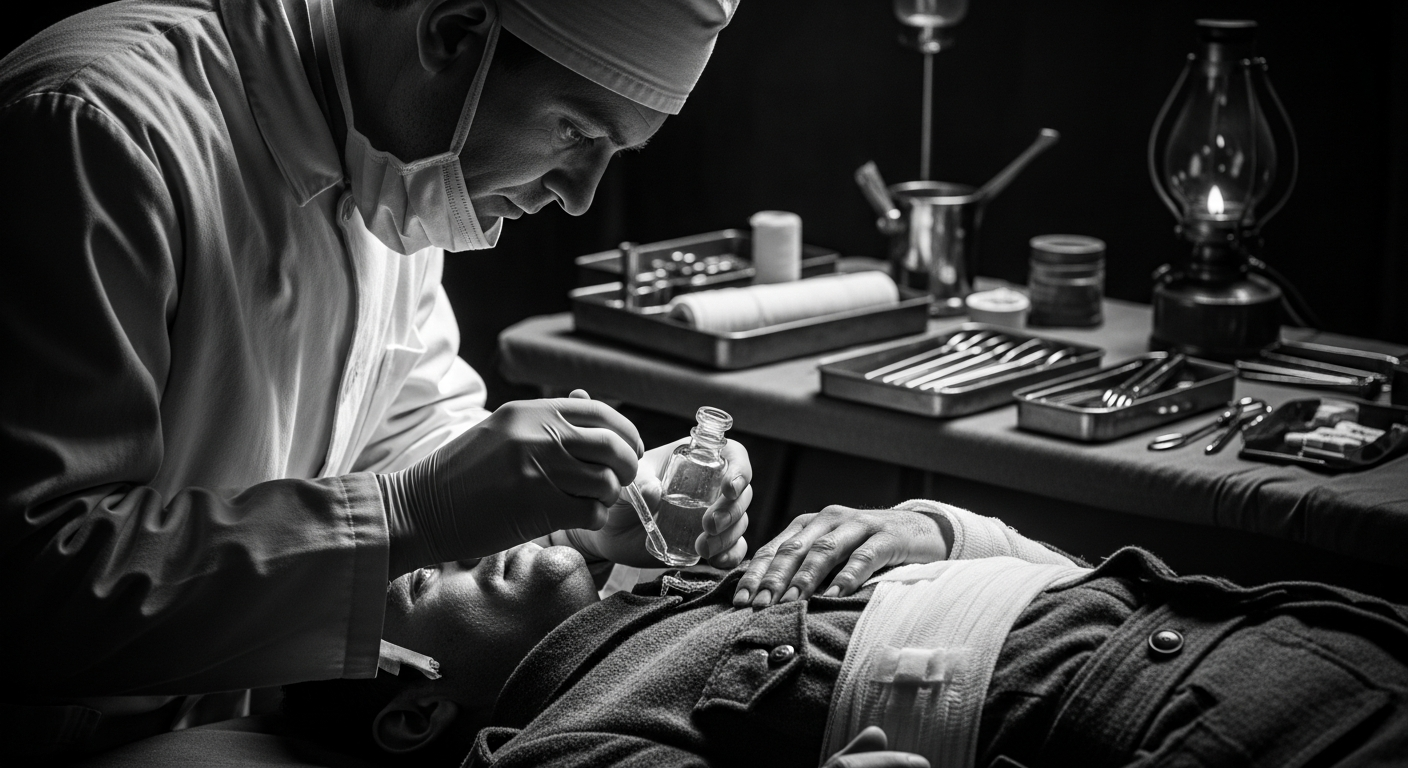
Figure 1 — Chapter 2: History — From the Battlefield to the Immune System
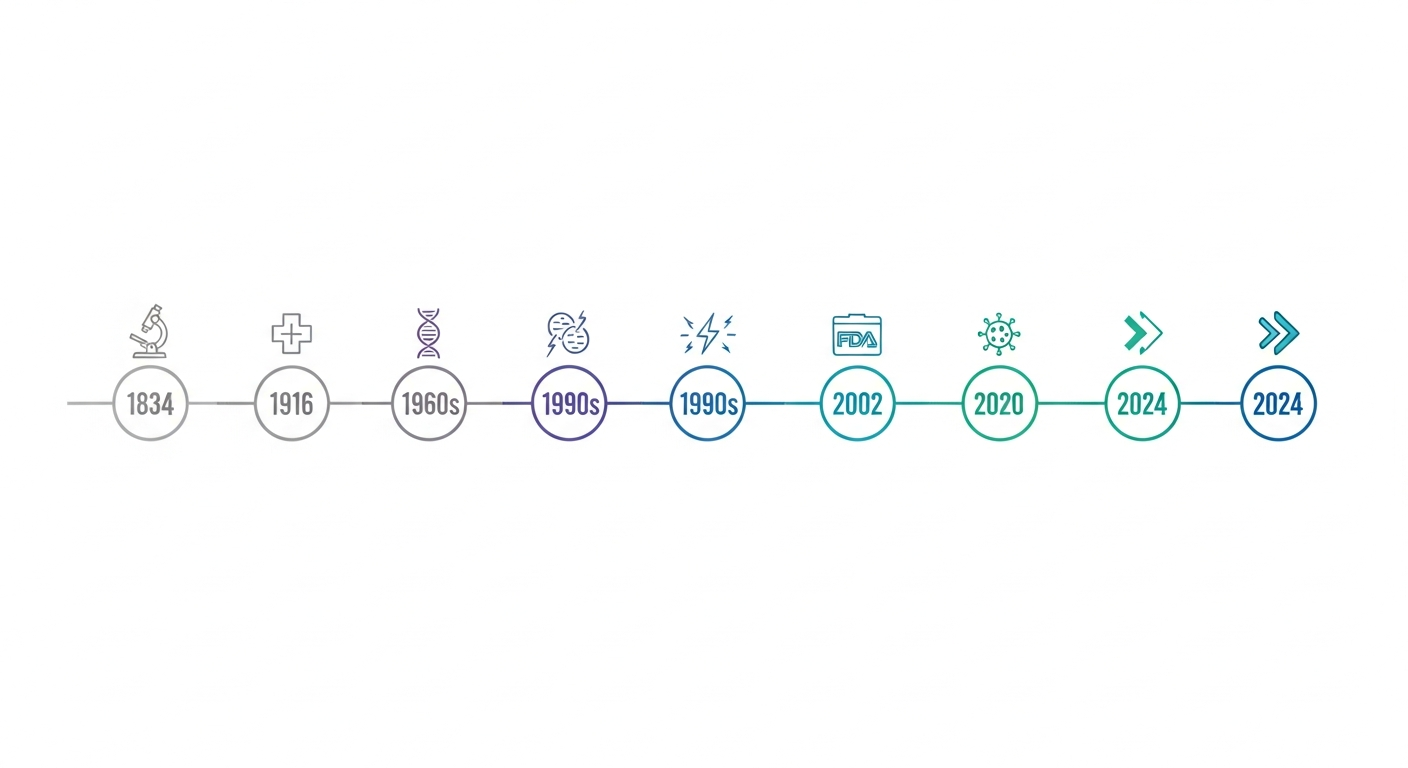
Figure 2 — Chapter 2: History — From the Battlefield to the Immune System
France, autumn 1916. The field hospital behind the Western Front smells of decay.
Not of disinfectant — the opposite. Wounded soldiers who survived direct fire die days later from infected wounds. Gangrene eats through tissue. Tetanus paralyses. Sepsis kills. Iodine burns and destroys the healthy flesh it is supposed to save. Alcohol is scarce. The doctors face a problem for which there seems to be no solution.
Then Alexis Carrel and Henry Dakin arrive.
Carrel is already a Nobel laureate at this point — awarded in 1912 for his revolutionary methods of vascular surgery. Dakin is a British chemist who comes to the field hospital with a question: what if wounds were not treated once but continuously irrigated with a germicidal solution?
Dakin experiments. He tests more than 200 different chemical compounds — and finally finds something that works. A mildly alkaline solution based on sodium hypochlorite, buffered with boric acid. Precisely adjusted to the right concentration: strong enough to kill pathogens. Mild enough not to destroy tissue.
The so-called "Dakin's Solution" becomes the medical sensation of the First World War. Infection rates fall dramatically. Amputations are prevented. Soldiers survive wounds that would have killed them without this solution.
In the Second World War, the same method is used again.
Infobox: Dakin's Solution — the great-grandfather of Hydroxil
What Dakin and Carrel used back then was a precursor of what we now know as HOCl. The crucial difference: Dakin's Solution was strongly alkaline (pH ~9–10) and contained mainly the less active hypochlorite ion (OCl⁻). Modern electrolysis produces stabilised HOCl at pH 6.0–7.4 — in this neutral to slightly acidic range, HOCl exists in its highly active form and is up to 100 times more effective than the hypochlorite in Dakin's solution, while being non-corrosive. Nearly 80 years of science separate Dakin's solution from a bottle of Hydroxil. The idea is the same. The progress is enormous.
(Source: Dakin HD, Br Med J. 1915; Carrel & Dakin, J Exp Med. 1917)
1834: The man who first saw HOCl
The story actually begins earlier — and less spectacularly.
In 1834, a French chemist named Antoine Jérôme Balard sits in his laboratory in Paris. Balard is the man who discovered the chemical element bromine a few years earlier — a find that brought him fame across Europe. Now he observes the reaction of chlorine gas with water.
In doing so, he identifies hypochlorous acid for the first time as a distinct chemical compound: HOCl.
For Balard, it is a chemical curiosity. An interesting reaction, documented, filed away. Nobody suspects what significance this molecule will one day have. That it plays a key role in the human immune system — nobody knows yet. That it will one day be found in food processing, in hospitals, on farms, and in spray bottles on millions of windowsills — unimaginable.
In 1834, HOCl is nothing more than a discovery in a Parisian chemistry lab.
The quiet revolution of the 1960s
Fast forward. Seattle, 1960s.
An immunologist named Seymour Klebanoff is researching white blood cells at the University of Washington — and makes a discovery that changes all of immunology.
Klebanoff investigates how neutrophil granulocytes kill bacteria. At that time, this is still poorly understood. Scientists know that these cells destroy pathogens — but how?
Klebanoff discovers the myeloperoxidase system. He shows that neutrophils use an enzyme called myeloperoxidase (MPO) to produce HOCl from hydrogen peroxide and chloride ions — directly in the cell, directly at the site of infection.
The conclusion is as simple as it is remarkable: our own body produces a highly effective disinfecting substance. For millions of years. In industrial quantities.
Klebanoff's work lays the scientific foundation for everything that follows.
Infobox: Seymour Klebanoff — the man who found HOCl in the body
Klebanoff published his groundbreaking work on myeloperoxidase and HOCl over decades of continuous research, most recently summarised in: "Myeloperoxidase: friend and foe." J Leukoc Biol. 2005;77(5):598-625. He showed that MPO-deficient patients — people who lack this enzyme — are significantly more susceptible to severe bacterial infections. HOCl is not optional. It is essential.
The ECA revolution: Stable HOCl from water and salt
For decades, HOCl remained a laboratory substance. The challenge: HOCl is unstable. In the open, it breaks down quickly. It is difficult to store, difficult to transport, and hard to bring to stable concentrations.
Then came the 1990s. Russian and Japanese researchers independently developed Electro-Chemical Activation (ECA) — a process that uses membrane electrolysis to produce stable HOCl solutions in the optimal pH range.
The recipe is astonishingly simple: water + salt + electricity. No chemistry lab needed. No exotic raw materials. Electrolysis splits sodium chloride (table salt) into its components and recombines them into HOCl — controlled, reproducible, stable.
The laboratory substance became an industrially producible disinfectant.
The regulators arrive — and give the green light
What follows is a series of regulatory milestones that show: this is not an alternative health trend. This is science that has been tested and confirmed by the strictest regulatory authorities in the world.
| Year |
Milestone |
| 1834 |
Balard identifies HOCl as a chemical compound |
| 1915–16 |
Dakin's Solution saves wounded soldiers in World War I |
| 1960s |
Klebanoff discovers the MPO/HOCl system in neutrophils |
| 1990s |
ECA technology enables stable, industrial HOCl production |
| 2002 |
FDA approves HOCl for wound care products for the first time |
| 2007 |
Peer-reviewed landmark study on HOCl in wound care (Wang et al., J Burns Wounds) |
| 2018 |
FDA expands approval: antipruritic application, eye hygiene, wound cleansing |
| 2020 |
EPA lists HOCl on "List N" — effective against SARS-CoV-2 |
| 2022 |
EPA exempts HOCl from tolerance requirements on food contact surfaces (up to 200 ppm) |
| 2023 |
FDA Food Contact Notification 1811: HOCl as antimicrobial agent for meat, poultry, fish, fruit, vegetables — no rinsing required |
The 2020 EPA listing is particularly noteworthy. When SARS-CoV-2 plunged the world into a state of emergency, authorities and the public desperately sought effective disinfectants. The EPA — the US Environmental Protection Agency, known for its stringent testing standards — listed HOCl on its "List N" of agents effective against SARS-CoV-2.
HOCl — alongside other tested agents — was on that list. An important regulatory signal in a time of global urgency.
Today: A market awakens
What was long a niche application in specialised medical facilities is now on its way into the mainstream.
The global HOCl market was valued at approximately USD 5.9 billion in 2024. Forecasts project annual growth of over 5 percent through 2030. The drivers are three major societal trends: the permanently heightened hygiene awareness after COVID-19, the growing threat of antibiotic resistance — and increasing demand for sustainable, environmentally compatible alternatives to conventional cleaning chemicals.
190 years after Balard's discovery in a Parisian lab, HOCl has arrived — in hospitals, slaughterhouses, food factories, veterinary practices, hotel kitchens, and in the bottle on the shelf.
The story took a long time. But it has a good ending.
Key Takeaway
HOCl has a 190-year history — from Balard's discovery in a Parisian lab, through the life-saving Dakin solution in the trenches of World War I, to FDA approval as a food-grade disinfectant and EPA listing against SARS-CoV-2. What was once considered a chemical curiosity is now a multi-billion-dollar market, backed by regulatory authorities, science, and the growing interest in alternative disinfectant active ingredients.
Continue to Chapter 3: How It Works — How HOCl Eliminates Pathogens
Chapter 3: How It Works — How HOCl Eliminates Pathogens
Active substance, not a product promise: The following studies examine HOCl as an active substance. Which efficacy HYDROXIL may specifically claim depends on its registration, label, concentration and contact time.
10 seconds. 99.999 percent. Done.
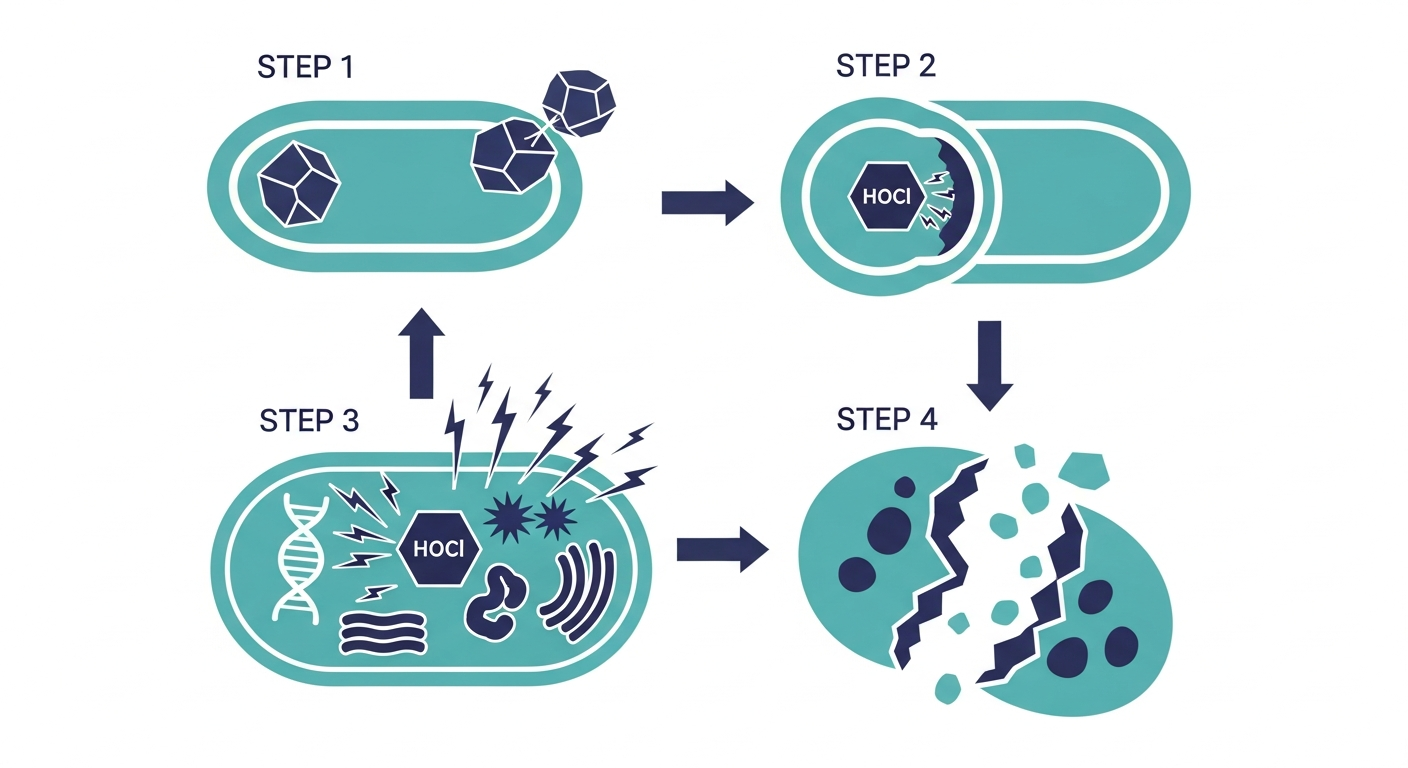
Figure 1 — Chapter 3: How It Works — How HOCl Eliminates Pathogens
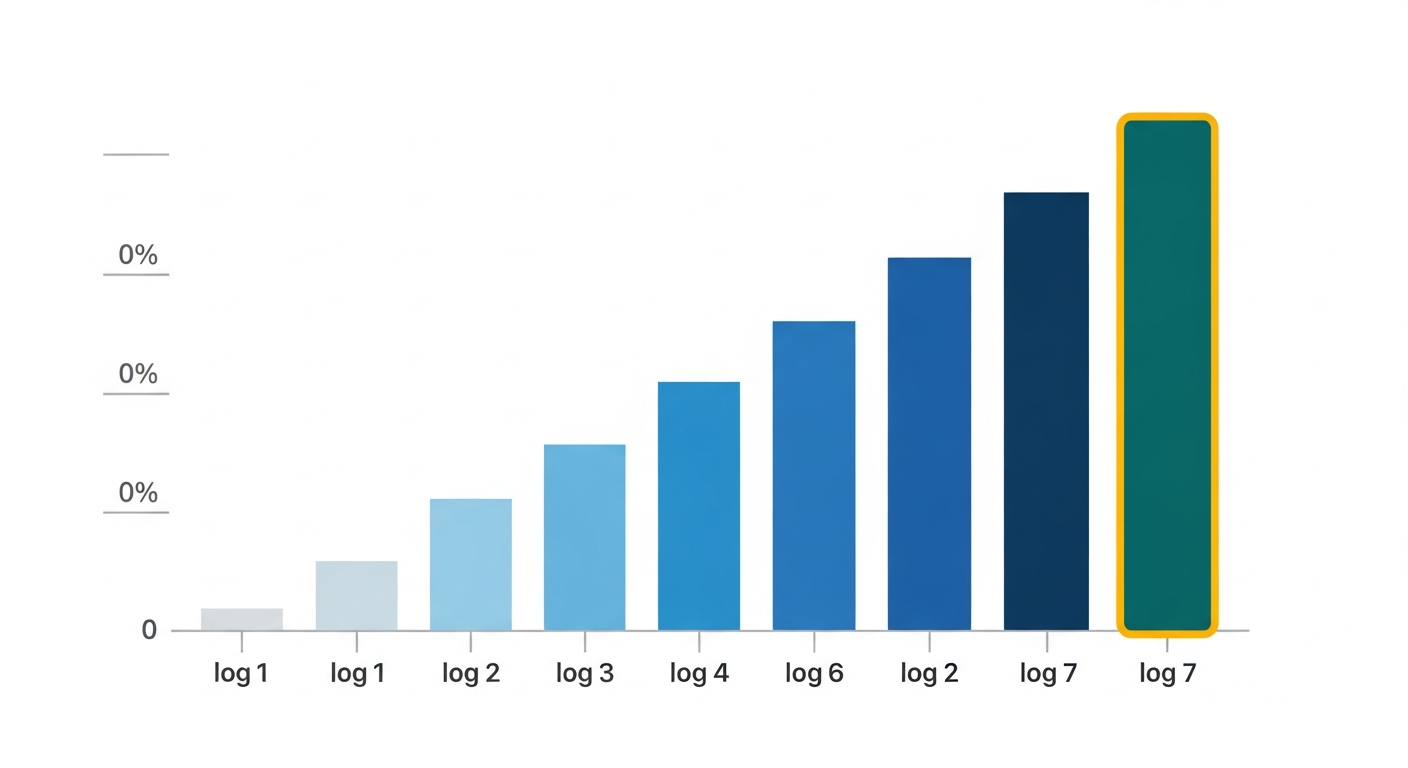
Figure 2 — Chapter 3: How It Works — How HOCl Eliminates Pathogens
It is 15 March 2020. Supermarkets are being emptied. Disinfectant is sold out. And somewhere in a research laboratory, scientists are measuring what a 28 ppm active chlorine HOCl solution does in exactly ten seconds.
The result: SARS-CoV-2 is reduced by a factor of 100,000. Log 5. Out of a million viruses, a handful survive.
In ten seconds.
How does HOCl do this? The answer lies in a property that distinguishes this molecule from almost all other disinfectants: it does not attack at a single point. It attacks everywhere simultaneously.
The attack — four steps, seconds
Imagine a bacterium. A microscopically small cell, surrounded by a membrane, filled with enzymes, DNA, proteins — the entire machinery of life.
HOCl works in four steps:
Step 1: Contact. HOCl meets the surface of the pathogen. Up to this point, nothing differs from other disinfectants.
Step 2: Penetration. This is where the difference begins. HOCl is a small, electrically neutral molecule. It carries no charge — and precisely because of this, it can glide effortlessly through the cell membrane. The charged hypochlorite ion (OCl⁻) from chlorine bleach cannot do this. It stays outside and only works on the surface. HOCl gets inside.
Step 3: Oxidation. Once inside the cell, HOCl launches a simultaneous attack on multiple targets:
- It oxidises thiol groups in enzymes — the cell's tools are deactivated
- It attacks DNA and RNA — the cell's blueprint becomes unreadable, replication stops
- It destroys fatty acids in the cell membrane — the outer shell loses its integrity
- It denatures proteins — structural and functional building blocks collapse
Step 4: Cell death. The cell collapses. Not slowly. Within seconds to a few minutes, depending on the pathogen type.
Infobox: Why HOCl kills faster than alcohol
Alcohol (ethanol, isopropanol) strips cell membranes of their lipids and denatures proteins — that takes time. Effective contact time: at least 30 seconds, usually 1–2 minutes. Additionally, alcohol evaporates from surfaces before it can fully exert its effect. HOCl actively penetrates cell membranes and attacks simultaneously at multiple points. Contact time for most bacteria: 5–60 seconds. Against SARS-CoV-2: 10 seconds.
(Source: Niedrig et al., Eur Arch Otorhinolaryngol, 2021, PMC8657320)
Log levels — the language of disinfection
When comparing disinfectants, you will sooner or later encounter the term "log level" or "log reduction". It sounds like mathematics — it is, but understandable.
One log level corresponds to a power of ten. Log 1 means: 90 percent of germs are killed. Log 2: 99 percent. Log 4: 99.99 percent. Each additional level is ten times better than the previous one.
| Log level |
Reduction |
Out of 10 million germs, survivors |
Equivalent to |
| 1 log |
90% |
1,000,000 |
Hand washing with water |
| 2 log |
99% |
100,000 |
Hand washing with soap |
| 3 log |
99.9% |
10,000 |
Basic disinfectant |
| 4 log |
99.99% |
1,000 |
Standard disinfectant |
| 5 log |
99.999% |
100 |
Good hospital-grade disinfection |
| 6 log |
99.9999% |
10 |
Sterilisation level |
| 7 log |
99.99999% |
1 |
Operating theatre / cleanroom |
The European testing standard EN 1276 — under which Hydroxil is certified — requires and confirms Log 5 (99.999%) under practical conditions. This corresponds to the requirement for good hospital-grade disinfection. Under optimised laboratory conditions, log reductions of up to 7 have been documented for HOCl in individual studies — depending on the pathogen, concentration and contact time. These values demonstrate the potential of the active substance but are not a blanket guarantee for all application conditions.
Infobox: Why not 100%?
Because honest science does not make absolute claims. Log 7 is the practical upper limit of measurement — beyond that, counting surviving germs simply becomes difficult. Claiming 100% would be unscientific, and that is precisely what distinguishes a reference book from an advertising brochure. But to be honest: if statistically one germ out of 10 million survives, that germ faces a pretty lonely life ahead.
Who against whom — efficacy at a glance
HOCl makes no distinction between pathogen types. Bacteria, viruses, fungi, spores — the oxidation mechanism works against all of them.
| Pathogen type |
Efficacy |
Contact time |
Standard / Source |
| Bacteria (gram+ & gram-) |
99.99% |
5–60 sec. |
EN 1276, EN 13727 |
| Viruses, enveloped (SARS-CoV-2, Influenza, Herpes) |
99.999% (5 log) |
10 sec. |
EN 14476, PMC8657320 |
| Viruses, non-enveloped (Norovirus surrogate MNV-1) |
99.9% (3 log) |
20 sec. |
PMC1932820 |
| Fungi & yeasts (Candida) |
99.99% |
30–60 sec. |
EN 13624 |
| Mycobacteria (tuberculosis) |
Effective |
1–5 min. |
EN 14348 |
| Spores (C. difficile) |
Effective |
5–15 min. |
EN 17126 |
| Legionella |
Effective |
Minutes |
EN 13623 |
| Biofilms |
Disruption + killing |
Minutes |
Multiple studies |
The norovirus problem — and the HOCl solution
Almost everyone knows norovirus. The brutal 24-hour stomach bug that tears through schools, cruise ships and nursing homes like wildfire.
The problem: norovirus is a so-called non-enveloped virus. It has no fatty outer envelope — and that envelope is precisely where alcohol attacks. Alcohol-based disinfectants are largely ineffective against norovirus. This is not a niche concern — it affects one of the most common pathogens of all.
HOCl works differently. It does not attack the outer envelope but penetrates directly, destroying the viral genome and capsid proteins through oxidation. A study showed that electrolysed oxidising water reduced the norovirus surrogate by more than 3 log levels in 20 seconds.
(Source: D'Souza DH et al., J Food Prot. 2007, PMC1932820)
No alcohol can do that. HOCl can.
Biofilms — the invisible enemy
There is a category of infections that hardly anyone talks about — even though they are responsible for 60 to 80 percent of all chronic infections: biofilms.
A biofilm is a colony of bacteria that has embedded itself in a protective slime matrix. On chronic wounds, in water pipes, on medical devices, on tooth surfaces — biofilms are everywhere surfaces remain persistently moist.
The problem: the biofilm's protective matrix acts like a fortress wall. Many disinfectants cannot even reach the bacteria inside. Antibiotics fare no better — which is why biofilm infections are so difficult to treat.
HOCl can penetrate this matrix. The small, neutral molecule glides through the biofilm structure, reaches the bacteria underneath, and destroys them. Simultaneously, HOCl oxidises the matrix itself — the biofilm dissolves.
This is particularly relevant for chronic wounds (more on this in Chapter 6), for water treatment, and for food processing.
Why resistance development is virtually impossible
Here lies one of the most important differences between HOCl and antibiotics.
An antibiotic typically attacks a specific mechanism: a particular enzyme, a specific cell wall component, a particular receptor. When bacteria mutate to alter that one mechanism, the antibiotic becomes ineffective. This is the origin of antibiotic resistance — and one of the greatest health threats of our time.
HOCl attacks simultaneously: DNA, proteins, enzymes, membranes. There is no single "switch" that bacteria could flip to escape HOCl. To become resistant to HOCl, a bacterial cell would need to develop simultaneous mutations across numerous fundamental cellular components — something that is virtually impossible from an evolutionary standpoint.
The result: after 190 years of HOCl use in medicine — beginning with Dakin's solution in World War I — no clinically relevant HOCl resistance in pathogens has been described according to current scientific knowledge. The multi-target mechanism makes resistance development biologically unlikely.
Infobox: The Antibiotic Resistance Problem
The WHO warns: antibiotic resistance could cause up to 10 million deaths annually worldwide by 2050 — more than cancer. Multi-resistant pathogens such as MRSA, VRE, and ESBL-producing bacteria respond to fewer and fewer active substances. Disinfectants that work through non-specific oxidation rather than specific receptors are considered an important building block in limiting the spread of such pathogens.
(Source: WHO, "Antimicrobial resistance: Global report on surveillance", 2014)
Key Takeaway
In testing, HOCl achieves germ reductions of 99.99% and more against bacteria, viruses and fungi — often in under a minute, against SARS-CoV-2 in ten seconds. Its strength lies in the mechanism: as a small, neutral molecule, HOCl penetrates cell membranes and simultaneously attacks DNA, proteins, enzymes and membranes. It is precisely this multi-target action that makes resistance development biologically unlikely — and fundamentally distinguishes HOCl from antibiotics, which attack at only a single point. Under EN standard conditions (EN 1276), HOCl is certified for log-5 reduction; log-7 values have been measured under optimised laboratory conditions.
Continue to Chapter 4: The Big Comparison — HOCl vs. Conventional Disinfectants
Chapter 4: The Big Comparison — HOCl vs. Conventional Disinfectants
The moment of truth

Figure 1 — Chapter 4: The Big Comparison — HOCl vs. Conventional Disinfectants
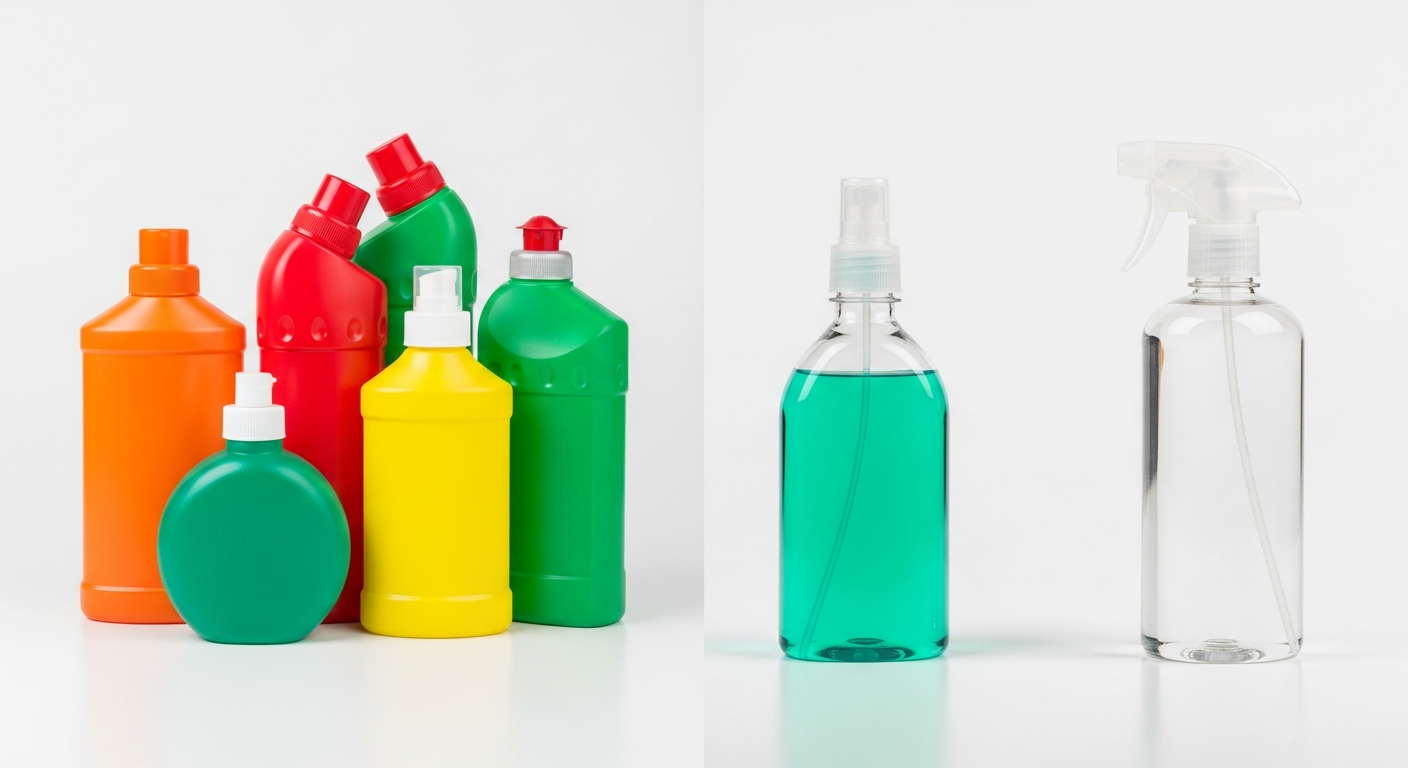
Figure 2 — Chapter 4: The Big Comparison — HOCl vs. Conventional Disinfectants
You are standing in front of the shelf at the chemist. Disinfectant spray. Alcohol gel. Chlorine cleaner. All promise the same thing: kill germs. All look equally convincing in the adverts.
But what is really inside? What actually happens on the surface — and on your skin? What ends up in the wastewater? And what corrodes the stainless steel in your kitchen after a year of daily use?
This chapter does what no product brochure does: it compares honestly.
The five incumbents — and their dark sides
Alcohol: The fast starter with a stamina problem
Ethanol and isopropanol are the most popular disinfectants worldwide. Cheap, readily available, effective against many pathogens. During the pandemic, entire countries were supplied with them.
But:
Alcohol is highly flammable. Not "caution, flammable" — but an actual hazardous substance class. In hospitals and nursing homes, there are strict regulations on how much alcohol-based disinfectant may be stored.
Alcohol measurably dries out the skin with regular use. Carers who disinfect their hands dozens of times daily know the consequences: cracked skin, eczema, inflammation. The disinfection creates the next problem.
And: alcohol evaporates. That sounds like an advantage — no rinsing needed — but it is also a problem. The effective contact time required for full efficacy is often not achieved on surfaces because the alcohol has long evaporated before it has finished working.
The most serious issue: against non-enveloped viruses — norovirus, adenovirus, rotavirus — alcohol is largely ineffective. These viruses have no fatty outer envelope for alcohol to attack. They survive alcohol disinfection virtually unscathed.
"Alcohol is like a sprinter who gives up after 50 metres — fast, but no endurance. And against the toughest opponents, it does not help at all."
Chlorine bleach: The classic with an aggression problem
Sodium hypochlorite. Known as chlorine bleach, found in every grandmother's cleaning cupboard. Cheap, broadly effective, proven for decades.
But:
Bleach is corrosive. Skin contact with undiluted or improperly diluted bleach causes chemical burns. The fumes irritate the respiratory tract and eyes. In enclosed spaces and with improper storage, chlorine gas compounds can form — especially dangerous when bleach is accidentally mixed with ammonia-based cleaners.
Bleach corrodes metals. Stainless steel, aluminium, copper — bleach attacks them all. In commercial kitchens, laboratories and hospitals, this leads to significant material wear.
And: bleach must be rinsed off when it comes into contact with food. That costs time, water — and introduces errors. Studies show that incorrect dilutions are common in practice: too strong (corrosive) or too weak (ineffective).
Hydrogen peroxide: The green one with a strength problem
H₂O₂ has a good reputation — partly justified. It breaks down into water and oxygen, making it comparatively environmentally friendly, and it is effective against a broad spectrum of pathogens.
But:
Hydrogen peroxide at the 3% concentration available for household use is only marginally effective against many resistant pathogens — MRSA, tuberculosis bacteria, spores. For reliable sporicidal action, 35% is needed — a concentration that is simply not safe to handle in everyday life.
Furthermore, H₂O₂ is unstable. It rapidly degrades when exposed to light and heat. The efficacy of a poorly stored bottle is difficult to assess.
Quaternary ammonium compounds (QACs): The professionals with a reputation problem
QACs are the unsung stars of professional disinfection. Hotels, hospitals, food production — wherever "professional" is on the label, QACs are often inside. They clean and disinfect simultaneously, remain active on surfaces for extended periods, and foam pleasantly.
But:
QACs are increasingly under scrutiny. Several studies suggest that regular contact with certain QACs increases the risk of asthma and respiratory diseases — especially among professional cleaning staff. Animal studies have shown indications of reproductive problems. The US state of Massachusetts has classified QACs as "problematic".
Additionally: QACs are persistent. They barely break down in the environment, accumulate in waterways, and are toxic to aquatic organisms. And unlike HOCl, they can promote cross-resistance with antibiotics. Today's "professional" cleaner could be causing tomorrow's resistance problem.
Iodine (Povidone-iodine): The veteran with a niche problem
Povidone-iodine is proven — a standard in surgical wound preparation for decades. Broad spectrum, well researched.
But: it stains everything yellow-brown. It causes allergic reactions in about two percent of the population. At higher concentrations, it is cytotoxic — meaning it also kills the body's own cells that it is supposed to help heal. With long-term use, it can impair thyroid function.
As a specialised agent in surgery, iodine is valuable. As an all-round disinfectant for everyday use, it is not a good choice.
The big comparison table
| Criterion |
HOCl |
Alcohol |
Bleach |
H₂O₂ |
QACs |
| Bacteria |
99.99% |
|
|
|
limited |
| Viruses, enveloped |
5 log / 10 sec. |
|
|
|
|
| Viruses, non-enveloped |
3 log / 20 sec. |
|
|
|
|
| Spores |
|
|
|
only at 35% |
|
| Biofilms |
|
|
|
|
|
| Contact time |
Seconds |
Minutes |
Minutes |
Minutes |
10+ min. |
| Skin-friendly |
Hydroxil: dermatologically tested |
drying |
corrosive |
irritating |
|
| Eye-safe |
specialist product needed |
|
|
|
|
| Food contact |
FDA (US), no rinsing |
|
diluted + rinse |
|
|
| No CLP hazard classification |
|
flammable |
toxic |
|
|
| Flammable |
no |
yes |
|
|
|
| Corrosive |
no |
|
yes |
|
|
| Environmental behaviour |
→ salt + water |
|
chlorine compounds |
|
persistent |
| Resistance risk |
none |
|
|
|
possible |
What does it really cost?
The biggest surprise lies in the price — but not where most people expect it.
| Product |
Cost per litre (ready to use) |
Shelf life |
| Alcohol disinfectant |
€8–15 |
Stable |
| Chlorine bleach (diluted) |
€0.10–0.50 |
Weeks |
| Hydrogen peroxide 3% |
€2–5 |
Months |
| QAC solution |
€3–8 |
Stable |
| Hydroxil Q-Life |
from €2.40 / litre (bulk) |
approx. 12 months |
Infobox: The hidden cost
Chlorine bleach costs almost nothing per litre. But what does a corroded stainless steel counter cost after two years? What do sick days cost due to chlorine fumes in poorly ventilated rooms? What does an allergic reaction to QACs cost? What does material damage from improperly diluted bleach on a work surface cost? The cheapest price is rarely the one on the label.
Practical test: The restaurant kitchen
A concrete scenario — occurring multiple times daily in thousands of food service operations:
All work surfaces, cutting boards and knives must be disinfected after handling raw meat. HACCP requirement. Documentation requirement.
|
Chlorine bleach |
Alcohol |
Hydroxil |
| Application |
Dilute, apply, rinse |
Spray, wait |
Spray, done |
| Rinsing required? |
Yes — food safety regulations |
No (evaporates) |
No (FDA-compliant) |
| Gloves required? |
Yes |
Recommended |
No |
| Material damage? |
Corrodes stainless steel |
May damage plastics |
None |
| Food contact safe? |
Only if correctly diluted |
No |
Yes (up to 200 ppm, EPA) |
| Odour |
Strongly irritating |
Alcohol |
Barely perceptible |
The difference in practice: with Hydroxil you spray, wait briefly — done. No diluting, no rinsing, no gloves, no corroding surfaces. For a restaurant performing hundreds of such disinfection steps daily, this adds up to significant time and cost savings.
Infobox: Why "food-safe" is so important
In 2023, the FDA confirmed with Food Contact Notification 1811: HOCl may be used on meat, poultry, fish, fruit, vegetables and eggs — without rinsing, at up to 60 ppm active chlorine. The EPA allows up to 200 ppm on food contact surfaces without tolerance requirements. No other disinfectant compared here has this breadth of approval. Note: These US approvals are valid under US law. For the German market, the BAuA registration (N-95701) under EU law is authoritative; permitted uses are set out on the label and in the product information.
(Source: FDA FCN 1811, 2023; EPA Federal Register, 2022)
Key Takeaway
Alcohol evaporates too quickly and fails against norovirus. Bleach corrodes and burns. Hydrogen peroxide only works at concentrations that are not safe for everyday handling. QACs accumulate in the environment and are suspected of promoting resistance. HOCl is one of the few disinfectants that is broadly effective, alcohol-free, non-flammable and non-corrosive, and breaks down into water and table salt after use — all at the same time.
Continue to Chapter 5: Safety & Compatibility — What Is Known About HOCl
Chapter 5: Safety & Compatibility — What Is Known About HOCl
This sounds like a contradiction
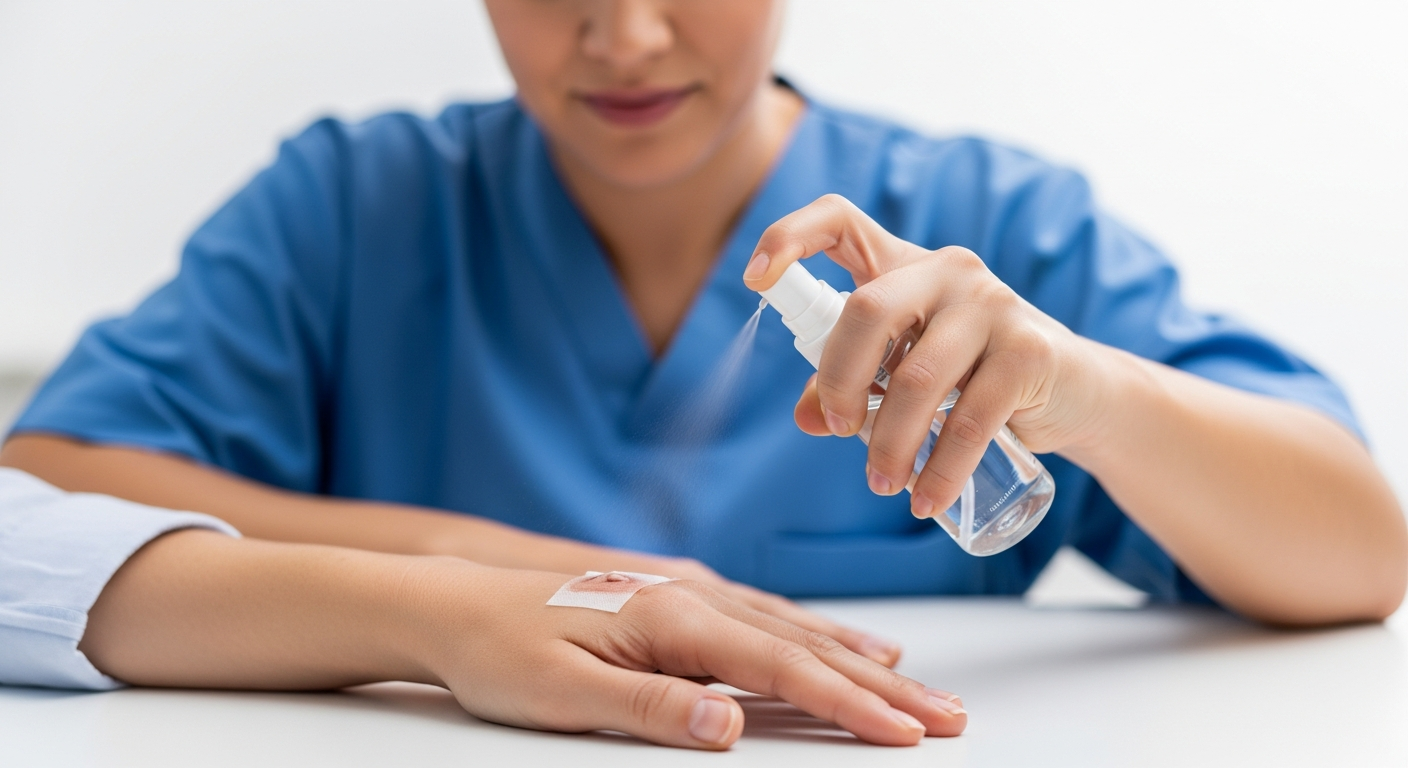
Figure 1 — Chapter 5: Safety & Compatibility — What Is Known About HOCl

Figure 2 — Chapter 5: Safety & Compatibility — What Is Known About HOCl
An active ingredient that inactivates bacteria, viruses and fungi in seconds — and that, in specially approved formulations, is even available as an eye-care product.
That sounds like advertising. Like one of those claims you question.
So: let us question it.
Part of the answer lies in a concept pharmacologists call “selective toxicity”: pathogens are far more sensitive than body cells.
Why body cells are better protected than germs
Your body cells produce HOCl themselves — and have done so for millions of years. The immune system uses it daily. And as a result of evolution, our cells have adapted: they are armed against HOCl.
The mechanism is elegant. Human — and animal — cells possess an entire arsenal of antioxidant defence systems: glutathione, catalase, superoxide dismutase. These systems can intercept reactive compounds such as HOCl to a certain extent.
Bacteria, viruses and fungi? They either lack this protection entirely or have it to a significantly lesser extent. They are defenceless against HOCl — and die.
HOCl recognises the difference. Not because it is intelligent, but because biology developed precisely this selection mechanism over millions of years.
Infobox: Selective toxicity — the Holy Grail of pharmacology
The ideal of every medicine and every disinfectant is selective toxicity: harmful to the pathogen, as gentle as possible on the host. Penicillin achieves this by attacking cell wall structures that only bacteria possess. HOCl achieves it through the oxidative defence apparatus of human cells — they can intercept HOCl to a certain extent. Pathogens hardly can.
On the skin: What really happens
Imagine you use a disinfectant daily — as a carer, a chef, a veterinarian. Thirty, forty, fifty times a day.
With alcohol-based disinfectants, this leads to visible skin damage within weeks: cracking, redness, eczema. The skin loses moisture and its protective barrier — and thus becomes more susceptible to infections. The disinfectant creates the very problem it is supposed to prevent.
HOCl solutions contain no alcohol, no aggressive surfactants, no fragrances. Studies on human keratinocytes and fibroblasts — the main cells of the skin — showed no cytotoxic effect at standard application concentrations.
Hydroxil was dermatologically tested (open patch test, 2020); no toxic-irritative intolerance reactions occurred. The test confirms skin compatibility under test conditions; it is not a clinical efficacy certificate and should not be equated with a clinical study.
In dermatology, the active ingredient is researched and used in specially approved products. A widely cited study by Fukuyama et al. (2018) showed antipruritic and anti-inflammatory effects of HOCl in an NC/Nga mouse model for atopic dermatitis — a standard model in preclinical dermatology research. These results concern the active ingredient in medical formulations — not Hydroxil.
(Source: Fukuyama T et al., Clin Exp Allergy, 2018 — animal model)
That is not a coincidence. It is biology.
HOCl and eye applications — a nuanced view
In ophthalmology, there are indeed HOCl-based specialist products — which demonstrates the potential of the active ingredient. A well-known example is Avenova by NovaBay Pharmaceuticals: a 0.01%, specially formulated, FDA-approved HOCl eye spray for blepharitis and meibomian gland dysfunction. A 2023 study showed significant improvements in OSDI scores for blepharitis patients.
(Source: J Clin Med. 2023, PMC9917691)
Important note: These eye applications refer to products specifically formulated and ophthalmologically tested for the eye area. Hydroxil as a biocidal product (BAuA reg. N-95701) is not approved for the eye area. The safety data sheet explicitly states that in case of eye contact, rinse immediately with plenty of water. For eye applications, only products specifically approved for this purpose should be used — never a general disinfectant.
A household with children: what matters
Every parent knows the dilemma: the dummy falls on the ground in the high street. The toy comes out of the neighbour's child's mouth. The changing table was used yesterday by a sick baby.
Disinfect — but with what, if you do not want to worry?
Alcohol is flammable — near candles, near heat lamps, near children, no insignificant factor. Bleach is dangerous on skin contact and toxic if ingested. QACs have an unclear toxicity profile.
HOCl has none of these properties:
- Not flammable
- No volatile organic compounds (VOCs)
- No fragrances, no preservatives
- No hazard classification under the EU CLP Regulation
Still, as with any disinfectant: keep out of reach of children and follow the instructions on the label.
Animals and the licking problem
Anyone who has pets knows the problem: you disinfect a bowl, bed or carrier — and the animal immediately sniffs and licks it.
With iodine solutions or alcohol-based sprays, this is a serious problem. Iodine in relevant quantities when ingested can burden the thyroid. Alcohol is toxic to dogs and cats even in small amounts.
HOCl breaks down into water and table salt after use and leaves no active-ingredient residues. Animals' immune cells also produce HOCl themselves. The label and product information remain authoritative for use.
The American product line Vetericyn — one of the leading providers of veterinary wound care products — is based on HOCl and is explicitly designed for applications on animals where licking is to be expected.
What the authorities say
| Authority / Standard |
Statement on safety |
| FDA |
10+ approved wound care products; eye care; food contact without rinsing (FCN 1811) |
| EPA |
Registered disinfectant; tolerance exemption on food surfaces up to 200 ppm |
| FDA GRAS |
"Generally Recognized as Safe" for acidic electrolysed water |
| BAuA |
Registration N-95701 (Germany) |
| CLP Regulation EU |
Not classified as hazardous substance (Regulation 1272/2008) |
| Dermatological |
Dermatologically tested |
Infobox: Not a single hazard pictogram
Look at the back of a bottle of chlorine bleach: skull and crossbones symbol, corrosion symbol, environmental hazard symbol. Alcohol disinfectants: flame symbol. Hydrogen peroxide: exclamation mark, corrosive. On a properly produced HOCl product at application concentration: not a single hazard pictogram. No H-statements. No P-statements. The CLP label of the EU Hazardous Substances Regulation remains blank. That is not marketing — that is chemical reality.
An honest word about application
This chapter would be incomplete without an important note — because a serious book does not make absolute promises.
As with any biocidal product: Use biocides safely. Always read the label and product information before use. HOCl is meant for disinfecting, not for drinking. At very high concentrations — far above application concentrations — HOCl can be irritating.
Heavy organic contamination can reduce efficacy. Anyone treating a visibly soiled surface should first clean mechanically, then disinfect.
And like all liquids: store cool and dark for maximum shelf life.
All further information on use, contact time and safety is on the label and in the safety data sheet.
Key Takeaway
HOCl is approved in the US by the FDA and EPA for numerous applications; Hydroxil is registered with the BAuA (N-95701), is not classified under EU hazardous substance law, and was dermatologically tested (patch test). For ophthalmic applications, specially formulated, approved HOCl products exist — Hydroxil as a biocidal product is not intended for this purpose. Biology explains the difference between germs and body cells: human and animal cells possess antioxidant defence systems — bacteria, viruses and fungi hardly do. For use, the rule still applies: use biocides safely.
Continue to Chapter 6: HOCl in Medicine & Therapy — What Science Shows
Chapter 6: HOCl in Medicine & Therapy — What Science Shows
Note: This chapter presents scientific study results on the active substance hypochlorous acid (HOCl). The studies cited refer to HOCl in general, not necessarily to the product Hydroxil specifically. Hydroxil is a registered biocidal product (BAuA N-95701) — not a pharmaceutical or medical device. The medical applications described here require correspondingly approved specialist products. For medical conditions, please consult a physician.
The chronic wound
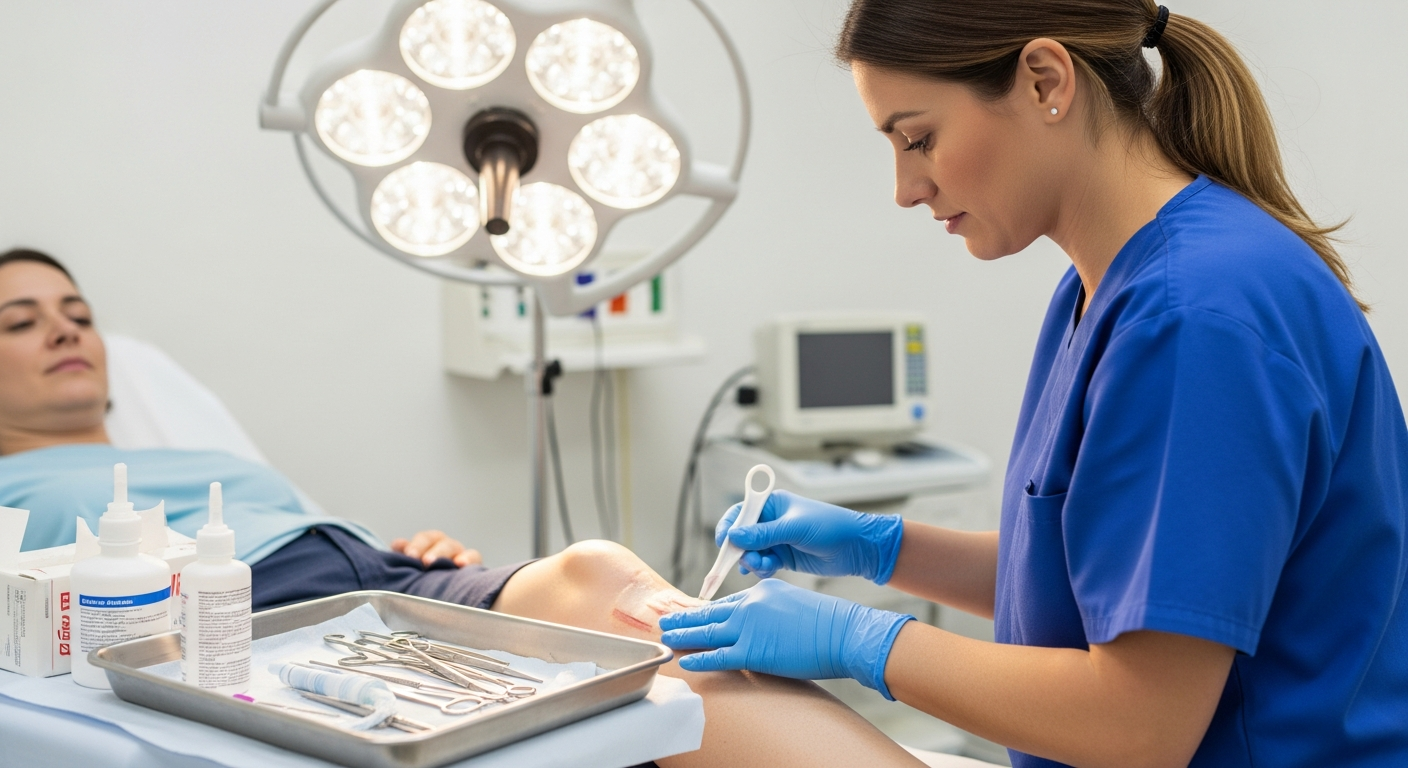
Figure 1 — Chapter 6: Medicine & Therapy — From the Wound to the Eye
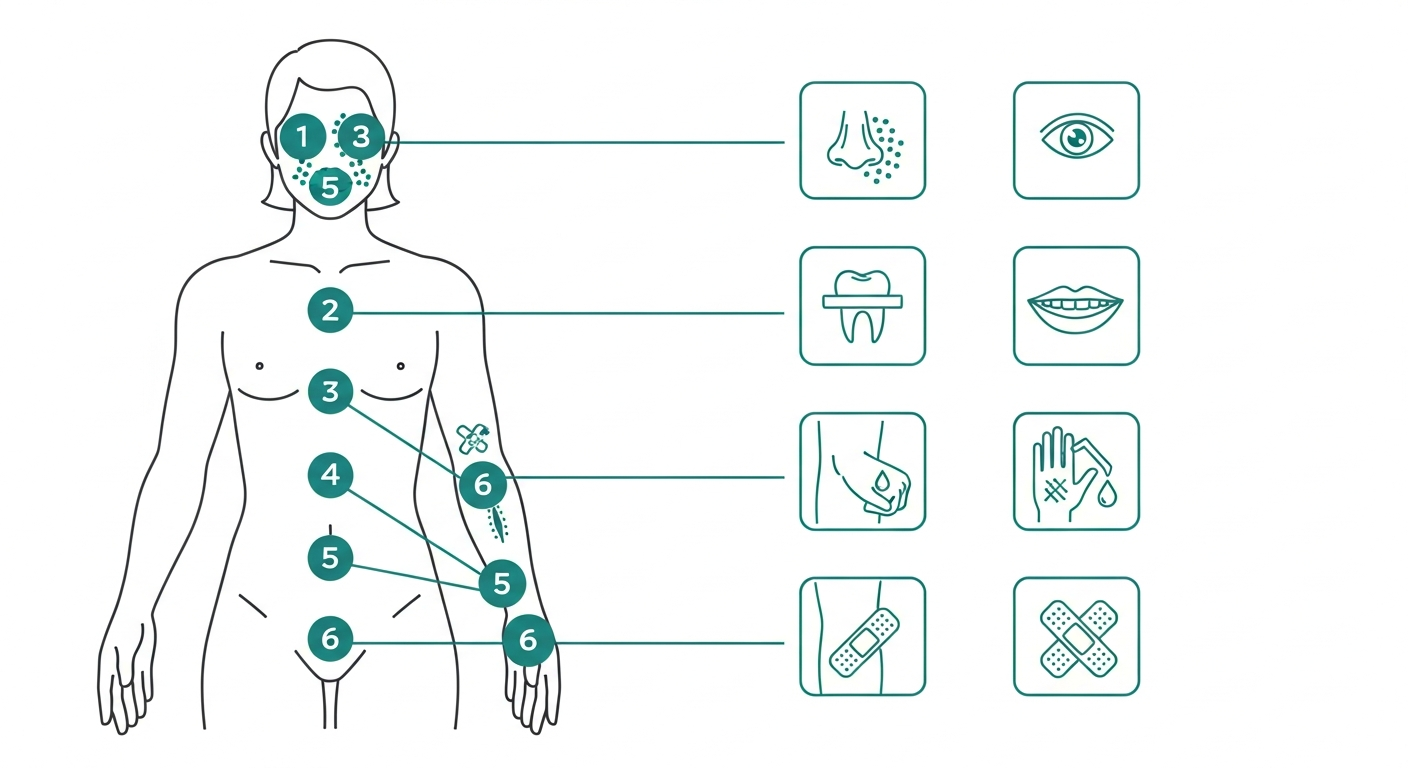
Figure 2 — Chapter 6: Medicine & Therapy — From the Wound to the Eye
Mrs Bergmann is 67 years old. For three months she has had a leg ulcer — what is commonly known as an "open leg". Every week she goes to the wound clinic. Every week the wound is irrigated, bandaged, disinfected. Every week it stings.
And every week the wound has not improved.
What Mrs Bergmann does not know: the problem is not insufficient disinfection. It is the biofilm. A protective slime matrix of bacteria has colonised the wound — and most conventional disinfectants cannot get through.
Now let us imagine the same situation with HOCl. And why the difference is fundamental.
Wounds: The core domain of HOCl in medicine
For over a decade, HOCl-based wound care products have been FDA-approved. More than ten products. In the US market, HOCl in professional wound care is no longer new — it is standard in specialised centres.
The reason lies in a paradox that accompanies every wound treatment:
The wound healing paradox: Most disinfectants that kill bacteria in wounds simultaneously damage healthy tissue — thus delaying healing. Octenidine stings. Iodine is cytotoxic at higher concentrations. Hydrogen peroxide attacks fibroblasts — the very cells responsible for new tissue formation.
Studies on specially formulated HOCl wound irrigation solutions show: they reduce germs without significantly damaging healthy tissue. That is why such medical devices are approved in the US and used in specialised centres.
Infobox: The wound healing paradox
A study in the Journal of Burns and Wounds showed: stabilised HOCl significantly reduced the bacterial burden in chronic wounds — without impairing tissue healing speed. That is the crucial difference from conventional disinfectants, which kill germs but simultaneously damage the cells that need to heal.
(Source: Wang L et al., J Burns Wounds, 2007, PMC1853323; Robson MC et al., PMC1853324)
Acute wounds: Cuts, grazes, burns
For acute wounds — kitchen cuts, sports grazes, minor burns — HOCl wound irrigation solutions approved in the US are used.
They clean and disinfect in one step — in studies without a cytotoxic effect on the cells that need to close the wound.
For burn wounds — where patients are often immunocompromised and large wound surfaces present an enormous infection risk — HOCl is used in specialised burn centres as an irrigation solution. The reasoning: it reliably reduces the germ load without further stressing the already damaged tissue.
Chronic wounds: Solving the biofilm problem
Back to Mrs Bergmann.
In chronic wounds — diabetic foot syndrome, venous leg ulcers, pressure sores — the real problem is almost always the biofilm. Studies show: 60 to 80 percent of all chronic wounds are colonised by biofilms. This protective matrix of bacteria and slime is what prevents healing — not insufficient disinfection.
Conventional disinfectants cannot get through the biofilm matrix. HOCl can. The small, neutral molecule penetrates the matrix, reaches the bacteria underneath, and destroys them — while simultaneously oxidising the matrix itself.
The care of chronic wounds always belongs in medical hands.
What the difference looks like in practice
| Step |
Conventional |
With HOCl |
| Cleaning |
Saline irrigation |
HOCl irrigation (cleans + disinfects) |
| Disinfection |
Octenidine or polihexanide |
Not needed — included in step 1 |
| Biofilm management |
Mechanical debridement |
HOCl dissolves biofilm + debridement |
| Dressing change |
Often painful |
In studies mostly without stinging |
| Home care |
As directed by a doctor |
As directed by a doctor (approved medical device) |
Dermatology: When the skin rebels
The active ingredient is also being researched in dermatology — with evidence at different stages of maturity.
Eczema (atopic dermatitis)
Eczema is chronic, debilitating, and for sufferers often a lifelong struggle. The constant itching. The sleep disturbances. Skin that is never truly at rest.
A key factor: Staphylococcus aureus colonises the skin of over 90 percent of eczema patients — fuelling the inflammatory response.
A preclinical study by Fukuyama and colleagues (2018) in the NC/Nga mouse model showed: HOCl has antipruritic — i.e. anti-itch — and anti-inflammatory effects. It reduces inflammatory mediators such as histamine, leukotriene B4, and interleukin-2. The mechanism is twofold: HOCl reduces staphylococcal colonisation on the skin — while simultaneously exerting a direct anti-inflammatory effect.
(Source: Fukuyama T et al., Clin Exp Allergy, 2018 — animal model NC/Nga mice)
Acne, seborrhoeic dermatitis, scars
For acne, HOCl has shown promise as an alternative to benzoyl peroxide: effective against Cutibacterium acnes (formerly Propionibacterium acnes), but without the typical drying and irritation of the skin.
For seborrhoeic dermatitis — flaky skin on the scalp and face — a study with 25 patients showed significant improvements in redness, scaling and itching under topical HOCl application.
And for scar treatment: HOCl modulates the inflammatory response during the critical healing phase — which can counteract hypertrophic scars and keloids.
(Source: Gold MH et al., JCAD, 2018)
Ophthalmology: Probably the most surprising area of application
Blepharitis — chronic inflammation of the eyelid margins — is one of the most common eye conditions worldwide. Cause: bacterial colonisation of the eyelid glands, often combined with mites (Demodex folliculorum).
The result: dry, burning, itchy eyes, redness, crust formation — and a condition that without consistent treatment becomes chronic.
The US company NovaBay Pharmaceuticals developed Avenova, a specially formulated HOCl eye spray — approved by the FDA for eyelid hygiene. Concentration: 0.01 percent. A randomised controlled trial from 2023 showed: the OSDI score dropped from 35.6 to 15.3 — a clinically highly significant improvement (p < 0.001).
(Source: J Clin Med, 2023, PMC9917691; BMC Ophthalmology, 2023, PMC10711848)
Important note: Avenova and comparable eye products are ophthalmologically tested specialist formulations. Hydroxil as a biocidal product is not intended for the eye area and must not be used there.
ENT, dentistry and respiratory
The application areas continue to expand.
Nasal irrigation: HOCl solutions for nasal irrigation in chronic sinusitis and rhinosinusitis show promising results — without the mucosal damage that some other antimicrobial irrigation solutions cause.
Respiratory tract and COVID-19: A study in the Journal of Dental Research (2023) showed that HOCl spray inactivates SARS-CoV-2, influenza viruses and herpes viruses in aerosols within seconds. This bridges to upper respiratory hygiene — as a complementary measure for viral respiratory infections.
Dentistry: HOCl is being discussed as a chlorhexidine alternative. Chlorhexidine — the most commonly used oral antiseptic — has known drawbacks: tooth staining, taste disturbances, occasional allergies. These side effects have not been described for HOCl so far; it is antimicrobial, and shows early positive results in treating peri-implantitis — inflammation around dental implants, where biofilms are the primary cause.
HOCl in science — study status
| Application area | Evidence level |
|---|
| Wound cleaning/disinfection | Well established (human studies, FDA-approved products) |
| Biofilm management | Well established (laboratory studies, clinical studies) |
| Eye hygiene (blepharitis) | Established (RCT, FDA approval for Avenova — not Hydroxil) |
| Eczema | Preclinical (animal model, initial human studies) |
| Nasal hygiene/sinusitis | Promising (initial human studies) |
| Dentistry/peri-implantitis | Early studies, no approval for Hydroxil |
| Surface disinfection in clinical settings | Tested to EN standards, BAuA N-95701 |
Infobox: Medical study overview
| Study |
Year |
Area |
Key finding |
| Wang et al. (PMC1853323) |
2007 |
Wound care |
HOCl reduces germ load without tissue damage |
| Robson et al. (PMC1853324) |
2007 |
Chronic wounds |
Significant wound healing under HOCl |
| Fukuyama et al. |
2018 |
Eczema (animal model) |
Antipruritic/anti-inflammatory in NC/Nga mouse model — no human data |
| Gold et al. (JCAD) |
2018 |
Dermatology |
Broad application profile confirmed |
| J Clin Med (PMC9917691) |
2023 |
Blepharitis/Eye |
OSDI from 35.6 → 15.3 |
| Guan et al. (J Dent Res) |
2023 |
Aerosols/COVID |
SARS-CoV-2 inactivated in seconds |
Key Takeaway
HOCl is scientifically well founded — for wound care well established, in ophthalmology clinically proven through specialist products like Avenova, and in dentistry under discussion as a potential chlorhexidine alternative. The data for eczema is currently based primarily on an animal model; initial human studies are promising. As a biocidal product (BAuA N-95701), Hydroxil is approved for surface, room and general disinfection — medical applications require correspondingly approved specialist products.
Continue to Chapter 7: Animals & Agriculture — Stable, Pasture, Beehive
Chapter 7: Animals & Agriculture — Stable, Pasture, Beehive
Hygiene where animals lick, nibble and sniff

Figure 1 — Chapter 7: Animals & Agriculture — Stable, Pasture, Beehive
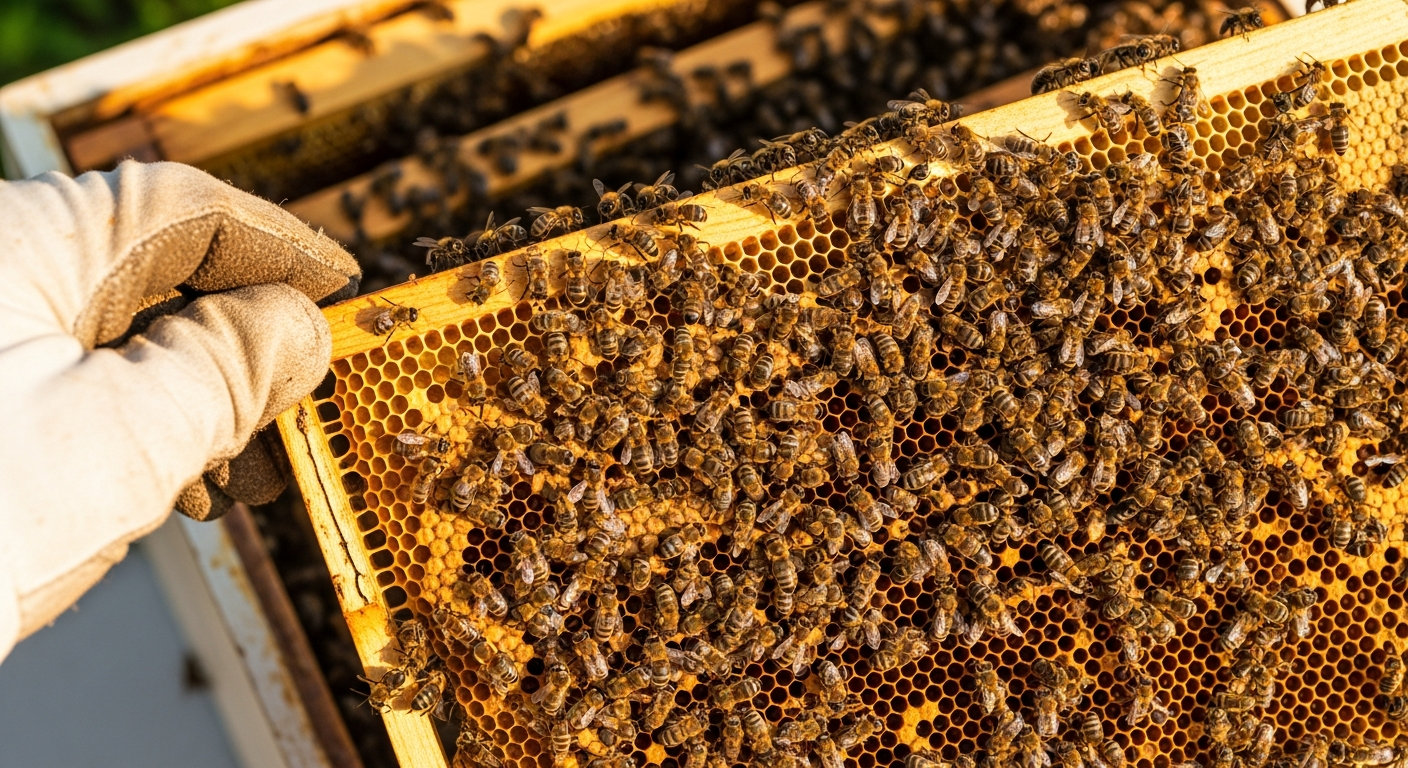
Figure 2 — Chapter 7: Animals & Agriculture — Stable, Pasture, Beehive
The dog comes back from a walk. You disinfect his bowl and bed — and he sniffs at them immediately.
In the stable, troughs, feeders and grooming kit are in contact with the animals every day.
The cat brushes past the freshly cleaned surface. Ten seconds later: self-grooming.
In animals, the "licking problem" is not a peripheral issue — it is the rule. And it is the reason why the choice of disinfectant in animal care deserves particular care.
Iodine is problematic for the thyroid when ingested in larger quantities. Alcohol is toxic to dogs and cats even in small amounts. QAC-based products have an unclear risk profile.
HOCl is a substance animals' immune systems also produce themselves, and it breaks down into water and table salt after use. As with any biocidal product: follow the label and product information.
Horses: The sensitive athletes
Horses are sensitive — physically and psychologically. Care that stings or smells pungent makes the animal a problem case next time. A disinfection with a pungent smell triggers stress and defensive reactions.
HOCl is alcohol-free and has no noticeable smell. And it still works.
Wet season — hygiene in the box and grooming kit
Especially in winter, boxes, bedding, grooming kit and boots are a breeding ground for bacteria and fungi. Skin problems such as mud fever belong in veterinary hands — keeping the surroundings clean is part of good stable hygiene.
This is where HOCl shows its strength: it works against bacteria and fungi simultaneously — with a single product for box, grooming kit and equipment.
Practical example (illustrative): Sonnenhof riding stable, 20 horses
Every year the same story: with the first damp autumn weeks, the hygiene workload rises. Wet bedding, damp grooming kit, boots that never quite dry.
Since switching to HYDROXIL Horse Hygiene: grooming kit and boots are sprayed after grooming, boxes disinfected weekly with the 6L canister. Result: a simple, consistent hygiene routine — without a pungent smell in the stable.
Hoof care — a clean environment
Moisture, lack of movement and infrequent picking out promote hoof problems such as thrush. Their treatment belongs in the hands of the farrier or vet.
For hygiene all around — aisle, box floor, hoof picks and grooming kit — HOCl is well suited because it is low in odour and does not attack materials.
Sweet itch and wounds: a clear word
Sweet itch and wounds belong in veterinary treatment. Hydroxil is a biocidal product for disinfection — not a veterinary medicine.
For equipment: clippers, halters, rugs and grooming kit can be sprayed easily — low in odour and alcohol-free.
Drinking water
Standing water troughs are breeding grounds for germs, algae and biofilms. Horses are notoriously fussy about water — minimal odour change is essential.
HOCl at application concentration is odourless and tasteless. Adding it to drinking water reduces the germ load, prevents biofilm formation in pipes and troughs — and the horses continue drinking normally.
Dogs, cats and small animals
The licking problem is even more acute here than with horses. Cats groom themselves for hours. Dogs lick every wound, every spot, every time.
Bowls and beds: food and water bowls, baskets, scratching posts, carriers — HOCl breaks down into water and table salt after use. Practical for animals that sniff at everything.
Accessories: brushes, combs, leads, toys — spray, let it work, done.
Important: ear infections, hot spots or wounds belong in veterinary treatment — Hydroxil is a biocidal product, not a veterinary medicine.
After walks: Road salt, dog faeces germs, viruses, parasite eggs — the urban street is a microbiological risk. Doormats, entrance areas and leads can be disinfected quickly with HOCl.
Livestock: When hygiene determines profitability
In livestock farming, hygiene has a direct economic impact. Mastitis in cattle costs money. Salmonella in poultry costs money. Disease in the stable costs money — in animal losses, in treatment costs, in antibiotic use.
Practical example (illustrative): Dairy farmer, 120 cows
Udder hygiene is an ongoing topic on many farms — with effort, costs and documentation requirements.
HOCl pre-dipping and post-dipping of udders is an established hygiene measure: the teat is cleaned and disinfected before milking, treated again after milking. Whether a product is approved for this is stated on the label; results depend on farm conditions and hygiene programme.
Udder cleaning (pre- and post-dipping)
In the US, HOCl is approved by the FDA and EPA for use on food contact surfaces and directly on food. For use on your own farm, the label and product information are authoritative.
Classic iodine dipping solutions are effective but leave iodine residues that can be detectable in milk fat. HOCl breaks down after application into water and trace amounts of table salt.
Stable disinfection with less effort
Conventional stable disinfectants require waiting times after application — animals must be removed, the stable must be ventilated. This is time-consuming and often impractical in ongoing operations.
HOCl is alcohol-free and low in odour and leaves no active-ingredient residues on feed rails and water troughs. Waiting times and use are governed by the label and product information.
Poultry: Salmonella prevention
In poultry farming, salmonella prevention is a permanent concern — regulatory and practical. HOCl can be used via nebulisers in stable air, dosed into drinking water, and used to disinfect processing facilities. It is already established in food processing.
Beekeeping: The underestimated application area
The varroa mite is the greatest enemy of the bee colony. Since its introduction to European bee populations, it has destroyed millions of colonies. The classic treatment methods — formic acid, oxalic acid — are effective but stressful: for the bees, for the beekeeper, for the environment.
Treating the mite itself remains a matter for approved veterinary medicines. HOCl is suited to the hygiene around it: hive disinfection after spring inspection, frames, tools and equipment. Bees themselves produce HOCl in their immune cells — the substance is biochemically familiar to them.
Additionally: clean water sources — particularly during rearing and swarming season.
Checklist: HOCl in animal care
- Bowls, beds and carriers
- Grooming kit, rugs and boots
- Accessories: brushes, leads, toys
- Entrance areas and doormats after walks
- Drinking water disinfection: horse, cattle, poultry
- Stable disinfection
- Milking hygiene (as per label)
- Hive hygiene and beekeeping equipment
- Transport vehicle disinfection
- Care equipment: halters, clippers, instruments
Know someone who would find this interesting?
- A horse owner who wants to simplify stable hygiene?
- A farmer who wants to keep stable and milking area clean with fewer products?
- A beekeeper who wants to disinfect hives and equipment easily?
- A dog owner who wants to keep bowl, bed and accessories clean?
- A poultry farmer who takes salmonella prevention in the stable seriously?
- A veterinary practice looking for alcohol-free surface disinfection?
Key Takeaway
HOCl fits well into animal care: it works against bacteria, viruses and fungi simultaneously, is alcohol-free and low in odour, breaks down into water and table salt after use, and can replace dozens of individual products from stable to beehive. For animal illnesses, the vet remains the right point of contact.
Continue to Chapter 8: Everyday Life, Kitchen, Camping — Hygiene Without Compromise
Chapter 8: Everyday Life, Kitchen, Camping — Hygiene Without Compromise
The chicken moment
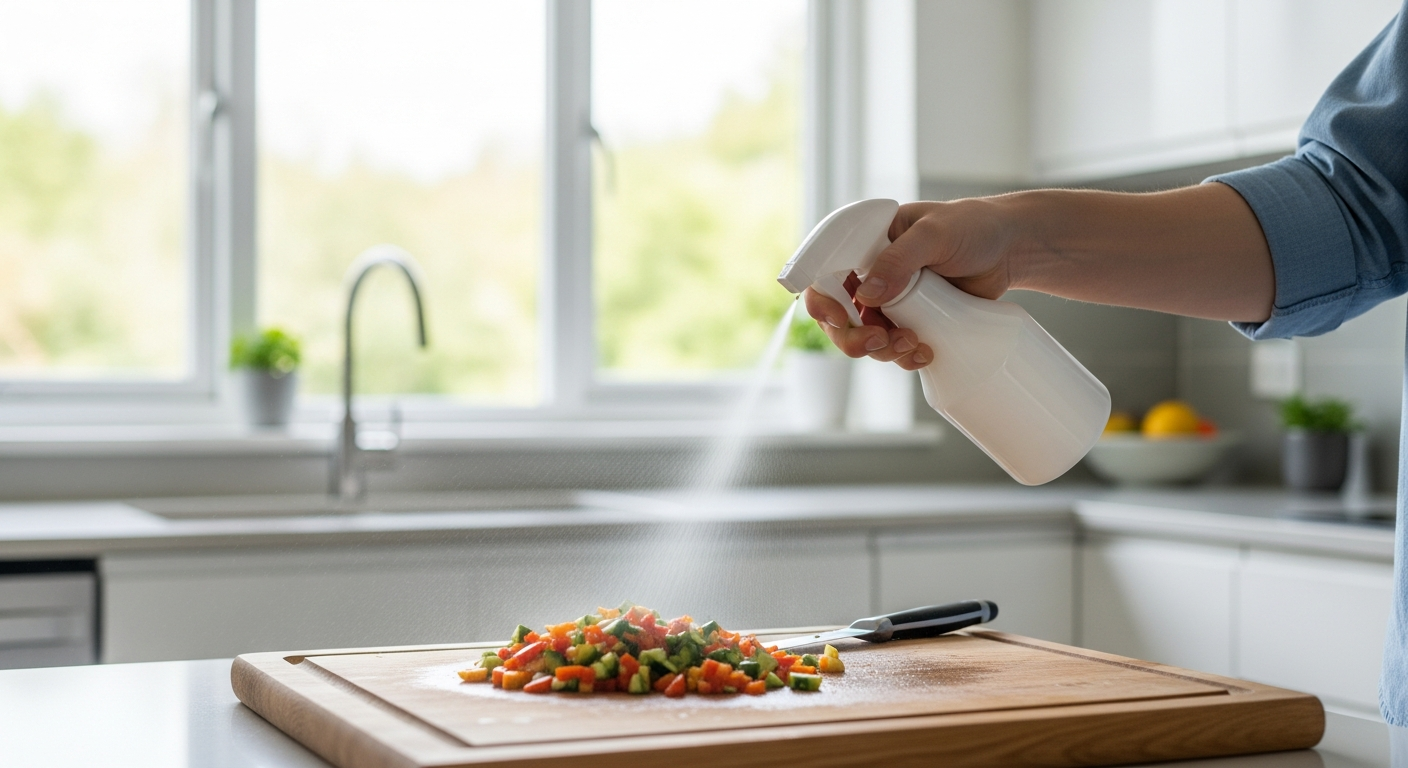
Figure 1 — Chapter 8: Everyday Life, Kitchen, Camping — Hygiene Without Compromise

Figure 2 — Chapter 8: Everyday Life, Kitchen, Camping — Hygiene Without Compromise
It is Tuesday evening. You have just cut raw chicken on the chopping board. The board sits in the sink, your knife beside it. The countertop next to it has had contact.
Now comes the classic routine: washing-up liquid. Hot water. Rinse. But does washing-up liquid kill salmonella? Not really. So you get the kitchen spray from the cupboard, spray it on, wait the recommended contact time, then rinse again — because it must not remain on food contact surfaces.
Four steps. Two products. Three minutes.
With HOCl: spray, let it work, done. One product instead of two.
That is the everyday reality this chapter is about.
Kitchen: The hygiene centre of the home
The kitchen is where hygiene matters most — and where most people make the most mistakes. Not out of negligence. But because the available products are either too aggressive or too weak.
Chopping boards and knives are the most common source of cross-contamination during food preparation. Salmonella from poultry. Listeria from cold cuts. E. coli from salad. Spray with HOCl, let it work briefly — done.
Sponges and dishcloths are the real germ spreaders in the kitchen. A study showed: kitchen sponges are among the most densely colonised microbial ecosystems in a household. Soaking in HOCl solution for two minutes is more effective than the microwave method — and gentler on the material.
Refrigerator — especially when changing seasons or after emptying: spray HOCl on all surfaces, let it work, wipe off. No residue, no odour. Mould prevention on the door seals included.
Fruit and vegetables: In the US, HOCl is approved at up to 60 ppm as a no-rinse sanitiser directly on food (FDA FCN 1811, 2023). Different rules apply in the EU — Hydroxil is registered as a biocidal product; the label and product information are authoritative.
Infobox: What "food-safe" really means
"Food-safe" sounds like marketing, but it is a regulatory category. FDA Food Contact Notification 1811 (2023): HOCl may be used directly on meat, poultry, fish, seafood, fruit, vegetables and eggs — without rinsing, at up to 60 ppm. The EPA allows up to 200 ppm on food contact surfaces without tolerance requirements. Important: these are US approvals. In the EU, the label and product information of the respective product are authoritative.
Bathroom: Where germs love to live
The bathroom is, after the kitchen, the second hygiene stronghold in the home. And the place where most households use the most aggressive cleaning products — because limescale, mould and germs are stubborn.
Mould prevention is HOCl's strongest bathroom application. Mould is a fungus — and HOCl is fungistatic and fungicidal. Regular spraying of grout, seals, window frames and the ceiling above the shower keeps mould spores permanently in check. Not with a sledgehammer, but through continuous prevention.
Taps, basins, toilets: spray on, let it work briefly, wipe off. No harsh chlorine smell. No fumes that irritate the airways when cleaning an enclosed bathroom.
Toothbrushes: soak in HOCl solution for two minutes — for a thorough germ reduction in between.
Children and babies: hygiene in family life
A baby crawls on the floor. The dummy falls on the supermarket floor. The toy ends up in the mouth after nursery.
These are not exceptional situations. This is everyday life with small children.
HOCl can be used in many ways in this everyday life: toys, changing tables, pushchair handles — spray, let it work, done. As with any disinfectant: keep the bottle out of reach of children and follow the instructions on the label.
Practical example (illustrative): The Weber family — 2 children, 1 dog, 5 cleaning products become 1
Julia Weber is a mother of two children (ages 2 and 5) and a dog owner. Under her sink: kitchen cleaner, bathroom cleaner, disinfectant spray, toy cleaner, paw disinfection for the dog. Five bottles, five labels, five ways of using them.
Since switching to Hydroxil: one bottle. Kitchen, bathroom, toys, changing table, dog bowl. One label, one routine — and much more space under the sink.
Fragrance-free: conventional cleaners often contain fragrances, preservatives and quaternary ammonium compounds. Hydroxil contains none of these — and no volatile organic compounds (VOCs).
Camping & motorhome: The underestimated hygiene problem
It is the start of the season. You open your motorhome water tank for the first time after six months. What is inside, you cannot see. What smells inside, you notice immediately.
Standing water systems are microbiological breeding grounds. Legionella prefer to grow at temperatures between 25 and 45 degrees Celsius — precisely the temperature range a motorhome water tank is exposed to in spring. E. coli, pseudomonads and mould fungi join the mix.
Classic chlorine tablets help — but attack tank materials, leave a chlorine taste and smell, and only address biofilms on tank walls superficially.
HOCl penetrates biofilms, dissolves them, kills the bacteria within — and does not attack the tank material. No aftertaste. No smell.
Checklist: HOCl for camping
- Water tank: fully disinfect before the season — fill with HOCl solution, let it work for 30 minutes, drain
- Pipes: run HOCl solution through, let it work for 10 minutes, flush with fresh water
- Surfaces: spray kitchen area and wet room daily
- Refrigerator: monthly HOCl cleaning, pay special attention to seals
- Mould control: treat window frames, seals, corners every two weeks
- Shared sanitary facilities: spray briefly before use
- Water bottles: rinse weekly with HOCl solution, let it work for 2 minutes
Drinking water at home: The forgotten risk
Legionella are not just a hospital or hotel problem. In old house pipes, in pipes after long stagnation periods (holidays, holiday homes, vacant flats), in rarely used hot water pipes, legionella can colonise.
Hydroxil drinking water disinfection is available in container sizes for households through to large buildings. The dosage depends on pipe volume — one-time shock disinfection or continuous low-level dosing depending on the situation.
Air disinfection: The invisible application
HOCl can be nebulised. With an ultrasonic nebuliser or a professional fogger, HOCl is dispersed as a fine mist into the room — it sinks slowly, contacts surfaces and aerosols, and disinfects both.
Particularly relevant in waiting rooms, daycare centres and nursing homes — everywhere many people gather in close quarters and respiratory infections spread quickly.
The study by Guan et al. (Journal of Dental Research, 2023) showed: HOCl aerosol inactivates SARS-CoV-2, influenza viruses and herpes viruses in seconds. No VOCs, no residues on surfaces.
Know someone who would find this interesting?
- A family with small children looking for an alcohol-free all-round disinfectant?
- Someone looking for cleaners without fragrances and QACs?
- A camping enthusiast whose water tank smells after winter?
- Someone who runs a holiday flat and needs to clean quickly and thoroughly?
- An athlete who wants to keep sports bags, equipment and shoes hygienic?
- A daycare manager looking for alcohol-free toy and surface disinfection?
Key Takeaway
One product for almost everything: kitchen, bathroom, nursery, pet, camping water tank. HOCl is approved for food contact in the US; Hydroxil is registered as a biocidal product in Germany (BAuA N-95701). Note: prolonged contact with coloured textiles may cause colour changes — test briefly first. Five products under the sink become a single bottle that can be used everywhere cleanliness matters and synthetic residues have no place.
Continue to Chapter 9: Hotels, Restaurants & Public Facilities
Chapter 9: Hotels, Restaurants & Public Facilities
The inspection
Figure 1 — Chapter 9: Hotels, Restaurants & Public Facilities
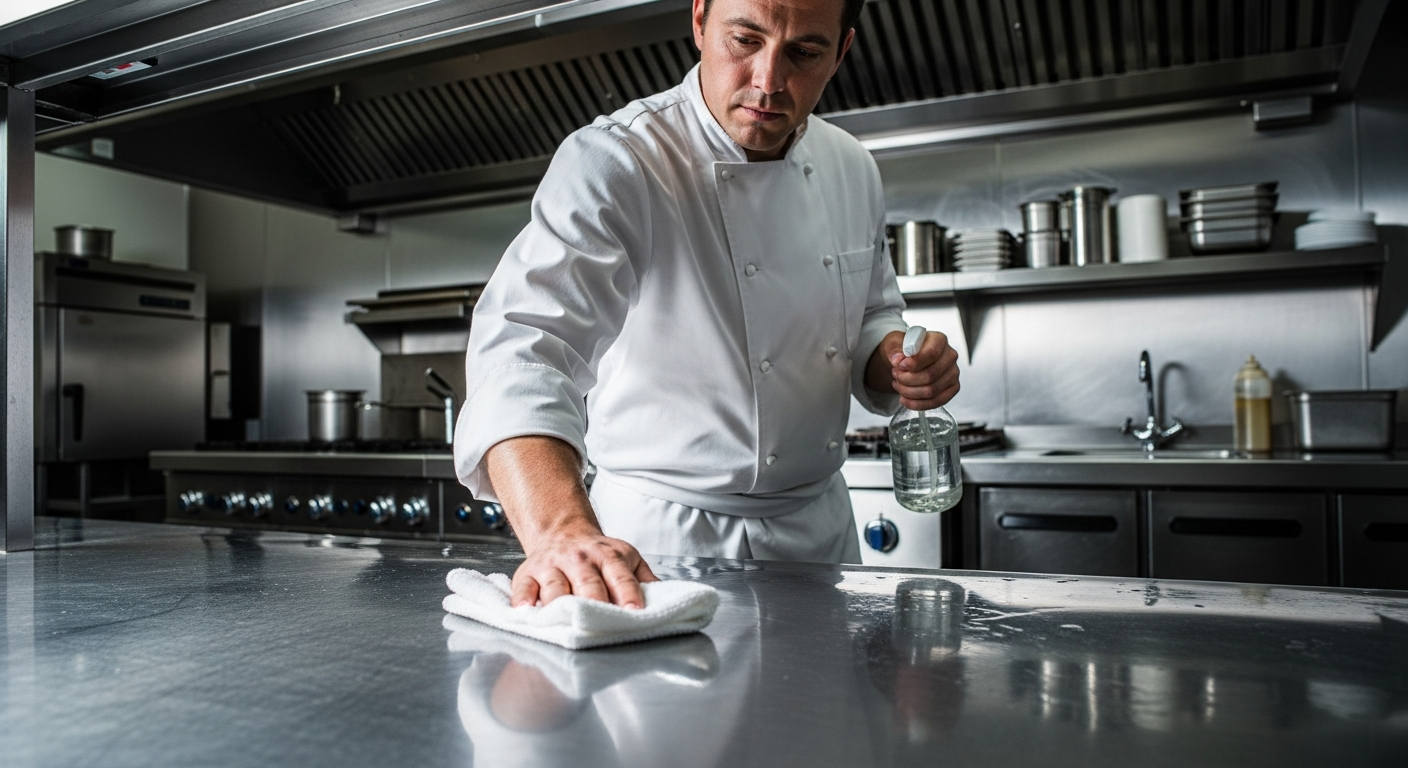
Figure 2 — Chapter 9: Hotels, Restaurants & Public Facilities
It is Monday morning. The hygiene inspector from the food safety authority shows up unannounced at the kitchen door.
No restaurateur loves this moment. But those who use HOCl fear it less than others.
Because what is at stake — operating licence, reputation, guest health — rests on solid ground with HOCl: approved for food contact in the US (FDA), HACCP-compatible, documentable through European testing standards. No rinsing. No residue. No grey areas.
That is the promise HOCl delivers in commercial hygiene. Not as a marketing claim — but as a regulatory documented fact.
Food service: Where one mistake can cost a business
In a professional kitchen, there are no mistakes. Or more precisely: mistakes in food hygiene can cause gastroenteritis outbreaks, bring the health authorities to your door, and permanently damage a restaurant's reputation.
Salmonella on the poultry cutting board. Listeria on the slicing machine. E. coli on the vegetable washing station. Cross-contamination that can build up from a single inadequately disinfected surface.
Work surfaces and kitchen equipment
Spray HOCl, let it work briefly — done. Whether rinsing is required is stated on the label. No taste or odour transfer to food.
And the stainless steel counter? Remains unscathed. Chlorine bleach corrodes stainless steel from 500 ppm and at significantly lower levels with frequent use — HOCl does not. Kitchen equipment lasts longer. That pays off.
Tap systems and beverage lines
Biofilm in beer lines and beverage machines is the most common cause of taste problems and hygiene complaints. HOCl dissolves biofilms — not just superficially, but through penetration of the protective matrix. Material-compatible with plastics and stainless steel.
HACCP: The documentation problem solved
HACCP — Hazard Analysis Critical Control Points — is mandatory in food processing. Hygiene measures must be documented, traceable and auditable.
HOCl is HACCP-compatible: efficacy is documented through EN standards (EN 1276, EN 13697, EN 14476). With FAC test strips (Free Active Chlorine), the concentration can be quickly measured and documented on-site. Seamlessly traceable for food audits.
Hospitality: When cleanliness becomes an experience
A hotel room must not only be hygienic. It must feel hygienic — and smell it. The guest who opens the door and immediately notices a chlorine smell does not associate it with cleanliness. They associate it with a hospital corridor.
HOCl is virtually odour-neutral. The guest notices no chemicals. They notice only: it is clean.
Practical example (illustrative): Hotel Seeblick — 80 rooms, 4 stars
Before: 8 different cleaning products for rooms, bathrooms, kitchen, wellness and common areas. Each with its own hazard warnings. Hazardous substance training for all cleaning staff mandatory. Protective equipment: gloves, respiratory protection for some products. Complaints from the team: skin irritation, respiratory problems after long cleaning shifts.
After switching to Hydroxil as universal disinfectant: no hazardous substance training required — Hydroxil is not classified as a hazardous substance. Eight products became one — with a single briefing. ROI after six months: positive.
Room cleaning: The hidden hotspots
Studies on hotel hygiene standards consistently reveal the same critical contact surfaces: remote controls, light switches, door handles, bedside tables. Surfaces touched by many hands daily that are often forgotten or only superficially wiped during cleaning.
HOCl spray: spray on, let it work briefly, wipe off. No special tools. Instructions for use on the label.
In the bathroom: WC, shower, taps without corrosive chlorine fumes. The cleaner works without respiratory protection — and the bathroom smells of nothing after cleaning.
Wellness, pool and fitness
Whirlpools and pools are challenging hygiene areas: warm water, high organic load from body residues, biofilm risk in pipes and on surfaces.
HOCl as a supplement to water treatment in whirlpools: less need for conventional chlorine granules, less mucosal irritation for guests, less chlorine smell in the wellness area.
Sauna benches can be disinfected with HOCl without damaging or discolouring the wood. Fitness equipment, mats, handles — quick, residue-free, odourless.
Public facilities: Special protection for vulnerable groups
Daycare centres and schools
Children are still developing immunologically. They get sick faster, transmit pathogens more intensively — and bring them home. Norovirus outbreaks in daycares are a burden on the entire family system.
In studies, HOCl reduced a norovirus surrogate by more than 3 log levels in 20 seconds. It is alcohol-free and breaks down into water and table salt after use.
Air nebulisation in group rooms during norovirus and flu season: HOCl aerosol can reduce the germ load in room air — use as per label.
Nursing homes and senior residences
Elderly and care-dependent people are immunocompromised. A norovirus outbreak in a nursing home can be fatal — and such outbreaks appear in the news with alarming frequency.
HOCl is versatile here: as surface disinfectant for rooms and common areas and as nebuliser disinfectant in room air. For wound care, specially approved medical devices exist.
No VOCs, no fragrances.
What HOCl really costs in a commercial operation
| Item |
Conventional (8 products) |
Hydroxil (1 product) |
| Product costs / month |
~€400 |
~€300 (20L canister) |
| Storage |
8 different containers |
1 container |
| Hazardous substance training |
Required — regular |
Not required |
| Protective equipment |
Gloves, sometimes respiratory protection |
As per label |
| Material damage |
Corrosion, discolouration |
None |
| Sick days for cleaning staff |
Skin and respiratory irritation |
No hazard classification (CLP) |
Infobox: The hidden ROI
The direct product price is only the visible tip of the iceberg. Less training effort, no material damage from corrosion, less product changeover logistics — many commercial operations report a positive cost-benefit balance after switching to HOCl. Individual results depend on operation size, previous products and usage volumes.
Know someone who would find this interesting?
- A restaurateur who wants to simplify their HACCP processes?
- A hotel manager who wants to reduce cleaning costs and relieve the team?
- A daycare manager looking for alcohol-free surface disinfection?
- A care home director who wants to strengthen hygiene against norovirus?
- A facility manager who wants to replace eight cleaning products with one?
- A medical practice looking for standard-tested disinfection without hazardous substance requirements?
Key Takeaway
In food service and hospitality, HOCl simplifies the entire hygiene process: one product instead of eight, no hazardous substance training, no rinsing on food surfaces, no material damage. HACCP-compliant, documentable (min. 500 ppm FAC, use within 3 months of opening). Many operations report a positive cost-benefit balance after switching — specific savings depend on the individual case.
Continue to Chapter 10: Environment & Sustainability — What Remains After Use
Chapter 10: Environment & Sustainability — What Remains After Use
What remains when everything is clean
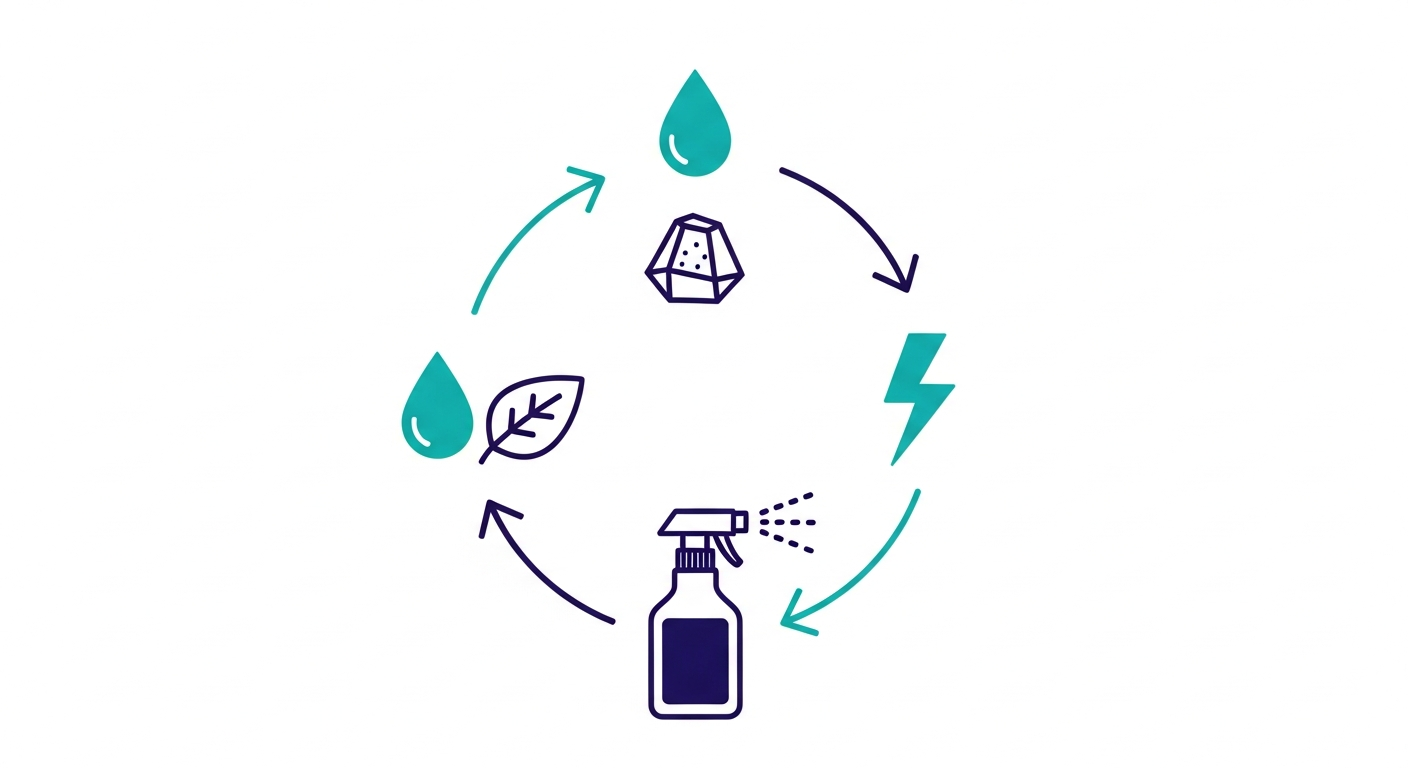
Figure 1 — Chapter 10: Environment & Sustainability — What Remains After Use
Figure 2 — Chapter 10: Environment & Sustainability — What Remains After Use
Imagine you use a disinfectant every day. Spray it on surfaces, rinse it away, it enters the wastewater, flows to the treatment plant — and from there, onwards.
What happens next?
With chlorine bleach: chlorinated organic compounds that can be persistent in the environment. With QACs: aquatically toxic substances that accumulate in aquatic organisms and are barely broken down by conventional wastewater treatment plants. With isopropanol: a petroleum-based solvent with a carbon footprint.
With HOCl: salt and water.
That is not marketing simplification. That is chemistry.
The HOCl cycle: From salt to salt
HOCl works in a remarkably simple cycle. Three ingredients in — and at the end, the same three basic materials come out.
Step 1 — Production: Demineralised water + sodium chloride (table salt) + electrical current → HOCl is created through electrolysis.
Step 2 — Application: HOCl disinfects surfaces, water and room air.
Step 3 — Decomposition: Once HOCl has done its job or comes into contact with organic matter, it breaks down: HOCl → NaCl (table salt) + H₂O (water) + O₂ (oxygen).
Step 4: These breakdown products are identical to what was there at the beginning. The cycle closes.
Infobox: From salt to salt
Made from salt and water, HOCl breaks down again into salt and water after use. Your body uses a similar principle: white blood cells form HOCl from chloride ions, every day.
What conventional disinfectants leave behind
For comparison: what happens to other agents when they make their way through the environment?
Chlorine bleach (NaOCl) reacts with organic compounds in wastewater and forms trihalomethane (THM) and other chlorinated organic compounds. Some of these are persistent, bioaccumulative and carcinogenic. Drinking water treatment has been struggling with THM limits for decades.
Quaternary ammonium compounds are barely biodegradable. They pass through treatment plants largely intact, accumulate in waterway sediments, and are toxic to fish, algae and invertebrates. Regulators in the US and EU have begun to tighten controls on QACs — but the quantities already accumulated in waterways are irreversible.
Isopropanol (in alcohol disinfectants) is petroleum-based. Production and transport have a carbon footprint. In wastewater, it is largely broken down by treatment plants — but the production chain is anything but climate-neutral.
The environmental scorecard
| Factor |
HOCl |
Bleach |
Alcohol |
QACs |
| Breakdown products |
Salt, water, O₂ |
Chlorinated organic compounds |
CO₂, water |
Persistent |
| Aquatic toxicity |
None (when used as directed) |
High |
Low |
High |
| Bioaccumulation |
No |
No |
No |
Yes |
| Hazardous goods transport |
No |
Yes |
Yes (flammable) |
Partial |
| Raw material base |
Water, salt, electricity |
Chlorine gas, NaOH |
Petroleum / biomass |
Petrochemical synthesis |
| Wastewater treatment behaviour |
Fully degradable |
THM formation |
Largely degradable |
Barely degradable |
What the US Environmental Protection Agency says
For Food Contact Notification 1811 (2023), the FDA prepared a detailed environmental assessment. The result is unequivocal:
"Allowing HOCl will not significantly affect the quality of the human environment."
The calculated environmental exposure concentration is four orders of magnitude — ten thousand times — below the most sensitive aquatic toxicity value. No ecotoxic potential when used as directed.
(Source: FDA Environmental Decision Memo, FCN 1811, 2023)
Less plastic, less logistics
Sustainability is not just a question of chemistry. It is also a question of packaging, transport and logistics.
A household that currently has five different cleaning products under the sink — kitchen cleaner, bathroom cleaner, disinfectant spray, toy cleaner, pet disinfectant — uses five plastic bottles that are produced five times, filled five times, transported five times, and disposed of five times.
One bottle of Hydroxil replaces all five.
In a hotel that replaces eight cleaning products with a single 20-litre canister of Hydroxil, the packaging volume drops dramatically. And hazardous goods transport is eliminated entirely — HOCl is not a hazardous substance, requires no hazardous goods labelling, no special storage.
For large-scale users, Hydroxil is available in 300-litre and 1,000-litre containers. Even less packaging. Even fewer trips. Even less CO₂.
The next level: On-site production
For large-scale users — hospitals, hotels, food factories — the trend is moving towards on-site production. ECA units (Electro-Chemical Activation generators) produce HOCl directly on-site, from water and salt.
This means: no more transport. No packaging material. Always fresh product. Logistics effort drops considerably.
For private households and small businesses, this is not yet economical — ready-stabilised products like Hydroxil are the more practical and quality-assured choice here. But the direction is clear.
Key Takeaway
HOCl is made from water and salt and breaks down again into water and salt after use. No hazardous goods transport, less packaging thanks to one product for many purposes. In its environmental assessment for FCN 1811, the FDA concluded that the approval does not significantly affect the environment.
Continue to Chapter 11: How HOCl Is Made — Electrolysis Explained
Chapter 11: How HOCl Is Made — Electrolysis Explained
Three ingredients. One reaction. The difference is in the detail.
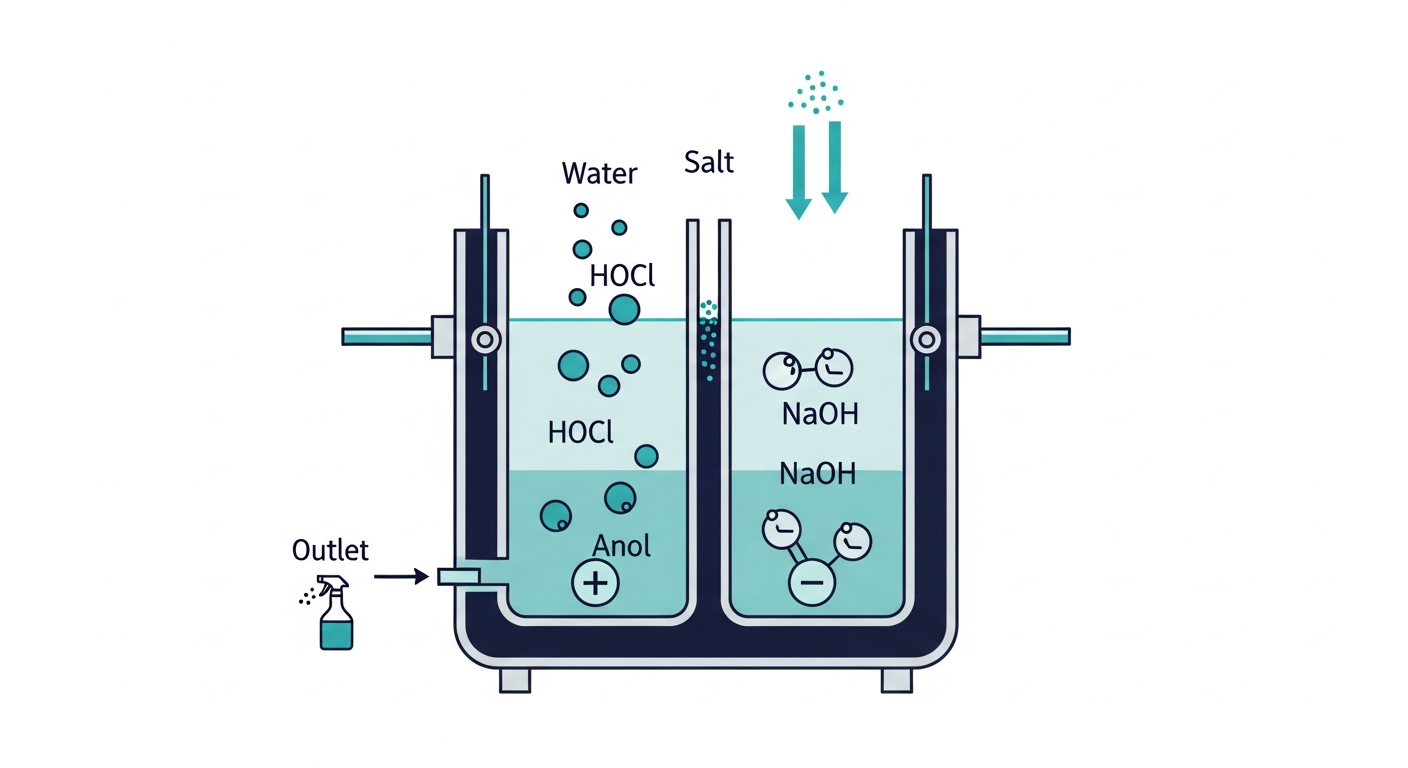
Figure 1 — Chapter 11: How HOCl Is Made — Electrolysis Explained
Figure 2 — Chapter 11: How HOCl Is Made — Electrolysis Explained
When someone hears for the first time how HOCl is made, the reaction is usually the same: "That sounds simple. Can I make it myself?"
The answer is: yes, in principle. Water, salt, electricity — those are the three ingredients. Electrolysis is not rocket science.
But between "in principle" and "professional, stable, demonstrably effective" lies a difference that determines: do you end up with a highly effective disinfectant — or diluted bleach in a nice bottle?
This chapter explains the difference. For those who want to understand what is really in their bottle.
The basic principle: Electro-Chemical Activation
The technology behind HOCl is called Electro-Chemical Activation, or ECA for short. It was developed independently in the 1990s by Russian and Japanese scientists and has been continuously refined since.
The process takes place in an electrolysis cell:
A salt solution of demineralised water and sodium chloride (ordinary table salt) flows through the cell. Inside the cell are two electrodes — an anode (positive pole) and a cathode (negative pole) — separated by a special membrane.
At the anode, oxidation reactions take place: chloride ions (Cl⁻) from the salt are oxidised to chlorine, which reacts with water to form HOCl. Small amounts of oxygen are also produced.
At the cathode, reduction reactions take place: sodium hydroxide (NaOH — caustic soda) and hydrogen are produced.
The membrane is the decisive factor. It allows ions to migrate — but prevents the products of both chambers from mixing.
Infobox: Why the membrane changes everything
Without a membrane, HOCl and NaOH mix immediately — they neutralise each other, and the result is an alkaline sodium hypochlorite solution. That is diluted bleach. That is exactly what the cheap "HOCl generators for 80 euros" without membrane separation produce. The membrane is the difference between a gimmick and a professional disinfectant. When you buy a genuine HOCl product, you are not paying for the salt — you are paying for the expertise in membrane technology and stabilisation.
The critical parameters — why HOCl quality can vary so much
HOCl is not all the same. Efficacy depends on several parameters that must be precisely controlled:
| Parameter |
Optimal |
What happens if it deviates |
| pH value |
4–6 (HOCl general) / 6.0–7.4 (Hydroxil) |
Above pH 7.5: conversion to OCl⁻ (80× less effective). Below pH 3: chlorine gas formation |
| Electrolysis time |
30–60 minutes |
Too long: HOCl degrades to chlorate (ClO₃⁻) — less effective, different toxicological profile |
| Salt concentration |
System-specific |
Too high: chlorine gas formation. Too low: insufficient HOCl concentration |
| Electrode material |
Titanium, platinum-coated |
Cheap alloys: corrosion, metal contamination, short lifespan |
| FAC (Free Active Chlorine) |
200–500 ppm |
Above 500 ppm: less stable, faster degradation |
| ORP (Oxidation-Reduction Potential) |
+800 to +1100 mV |
Below 800 mV: reduced antimicrobial activity |
A professional manufacturer measures and documents all these parameters batch by batch. With a DIY device — you simply do not know.
The stabilisation problem: Fresh or shelf-stable?
Freshly produced HOCl is highly active. But it is also unstable.
Without stabilisation, HOCl immediately begins to degrade:
- UV light accelerates degradation in minutes
- Heat accelerates degradation
- Atmospheric oxygen and organic contaminants accelerate degradation
- In an open bottle: shelf life of hours to a few days
This is why a DIY device may produce "fresh" HOCl — but a bottle filled yesterday may be nothing more than a watery sodium chloride solution by the day after tomorrow.
Professional stabilisation solves this problem:
- Natural buffer substances maintain the pH permanently in the active range (for Hydroxil: 6.0–7.4)
- Light protection through opaque packaging
- Patented processes for absorbing oxidative losses
- Temperature control during production and storage
The result: approximately 12 months shelf life with unchanged efficacy (unopened); use within 12 weeks of opening.
The quality comparison: DIY vs. professional
The honest answer to the question "Can I make this myself?" is: you can produce something that contains HOCl. But whether it is effective, safe and shelf-stable — that is a different question.
|
DIY device (from €80) |
Semi-professional |
Hydroxil (Q-Life) |
| Membrane separation |
Usually no → bleach mixture |
Partial |
Yes — pure HOCl |
| pH control |
No |
Limited |
Yes — batch by batch |
| Stabilisation |
No — hours to days |
Weeks |
Approx. 12 months |
| Quality control |
None |
Limited |
Batch documentation |
| Certifications |
None |
Partial |
BAuA, EN standards |
| Proof of efficacy |
Not available |
Partial |
Fully documented |
Infobox: The champagne comparison
HOCl from a cheap generator is like sparkling wine from the discount shop — technically sparkling wine, but it has little in common with champagne. Both contain carbonation. But the production, quality control and the result in the glass are fundamentally different. With HOCl, membrane quality, electrode material, process control and stabilisation determine the difference between "possibly effective" and "demonstrably 99.99% — documented for every batch."
How to recognise quality
Before you buy an HOCl product, this information should be on the packaging or in the data sheet:
Checklist: Recognising HOCl quality
- pH value in the active range stated (for Hydroxil: 6.0–7.4)?
- FAC (Free Available Chlorine) in ppm stated (min. 500 ppm for Hydroxil)?
- Best-before date longer than 6 months (sign of stabilisation)?
- Note on usage period after opening provided (e.g. 12 weeks)?
- Certifications present (EN standards)?
- BAuA registration number (Germany: mandatory for biocidal products)?
- No additives — no fragrances, no surfactants, no preservatives?
- Not classified as hazardous substance (CLP Regulation)?
- Batch traceability available for commercial users?
Hydroxil meets all these criteria. BAuA registration: N-95701. pH: 6.0–7.4. FAC: 500 ppm. Shelf life: approx. 12 months (unopened), 12 weeks after opening. No additives. Not classified as hazardous substance.
Key Takeaway
HOCl is produced through electrolysis of salt water — simple in principle, complex in quality. The crucial difference between a professional product and a DIY solution lies in membrane separation (genuine HOCl vs. bleach mixture), electrode quality, professional stabilisation (approx. 12 months shelf life instead of hours) and certification. Anyone who needs demonstrable efficacy needs a professionally manufactured, certified product.
Continue to Chapter 12: The Future of Disinfection
Chapter 12: The Future of Disinfection
Three crises. One solution.
Figure 1 — Chapter 12: The Future of Disinfection
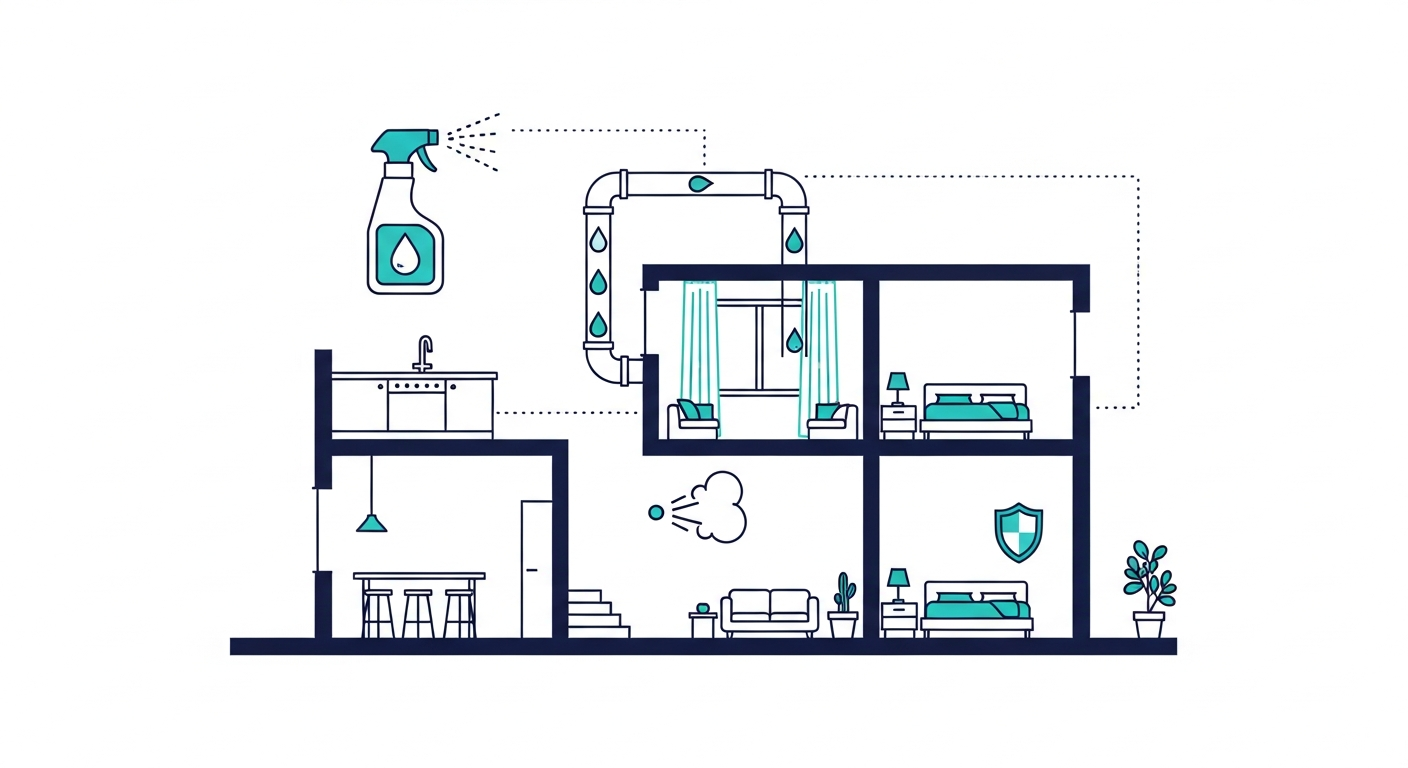
Figure 2 — Chapter 12: The Future of Disinfection
By 2050 — if nothing changes — an estimated 10 million people will die each year from infections caused by antibiotic-resistant pathogens. More than currently die from cancer.
That is not a dystopia. That is the current WHO forecast.
At the same time, COVID-19 showed the world how a single pathogen can bring global society to a standstill within weeks. The heightened hygiene awareness that has remained is not a passing trend — it is a permanent shift.
And the third pressure: regulators worldwide are beginning to reverse decades of tolerance for persistent, environmentally harmful chemicals in cleaning products. QACs are on the watchlist. Household chlorine bleach is being discussed.
Three crises, all pushing in the same direction: towards effective hygiene with fewer problematic ingredients.
HOCl sits at precisely this intersection.
Antibiotic resistance: Prevention over treatment
The antibiotic resistance problem is fundamental: antibiotics attack specific mechanisms — and bacteria can learn to alter these mechanisms.
HOCl does not attack specifically. It simultaneously oxidises DNA, proteins, enzymes and cell membranes. There is no single mechanism a bacterial cell could circumvent through mutation.
In a world where more and more antibiotics fail, disinfection as primary prevention gains importance. Pathogens that never enter the body in the first place do not need to be treated. For HOCl, no clinically relevant resistance has been described to date — so it can be part of the solution.
The growing market
The global HOCl market is no longer a niche.
In 2024 it was valued at approximately USD 5.9 billion. Forecasts from various market research firms project a volume of over USD 8 billion by 2033 — with annual growth of 3 to 6 percent.
This growth is driven by three megatrends: the permanently elevated hygiene awareness after COVID-19, increasing regulatory and consumer pressure on environmentally harmful disinfectants, and the growing need for solutions that work in the context of antibiotic resistance.
(Source: Grand View Research, 2024; Fortune Business Insights; Expert Market Research)
New application fields: What comes next
The application areas for HOCl continue to grow. Some are already established in practice — others are in clinical trials or regulatory review.
| Area |
Potential |
Current status |
| Aerosol disinfection (room air) |
Very high |
Broadly applied, growing |
| Dentistry / biofilm management |
High |
Clinical trials ongoing |
| Aquaculture (fish farming) |
High |
Regulation in progress |
| Cosmetics / skincare |
Medium |
Research phase |
| Water treatment (large-scale) |
Very high |
Pilot plants active |
| Textile disinfection (hospital laundry) |
High |
Pilot projects |
| Respiratory medicine (inhalation) |
Medium |
Preclinical |
Infobox: The disinfection of the future is invisible
In ten years, you will no longer actively think about disinfection. Nebulisers in the ventilation system, HOCl in the water system, sensors that automatically dose when germ levels rise. The cleanest future is one where hygiene is no longer an issue — because it simply works. Automatically, continuously, without synthetic residues.
Regulatory momentum: The wind is shifting
What was still a niche product with limited approval ten years ago is now broadly secured by regulation — and development continues.
The FDA is continuously expanding its HOCl approvals. The EPA relaxed tolerance requirements for food contact surfaces in 2022. The EU Biocidal Products Regulation has HOCl in review for further application areas. In Germany, BAuA registration is in place.
The trend is clear: more approvals, broader application fields, fewer regulatory hurdles — while simultaneously, problematic ingredients in competing products come under increasing pressure.
What is still missing — an honest assessment
This book would be incomplete without a sober look at the remaining challenges.
Awareness: "HOCl" still means nothing to most people. The phrase "hypochlorous acid" sounds like a chemistry lesson, not an everyday product. The educational effort is real.
Quality standards: The quality differences between products are difficult for consumers to discern. A cheap DIY device and a professionally certified product carry the same label — "HOCl" — but efficacy can differ drastically. Better consumer information and potentially stricter standards are needed here.
Long-term studies in new areas: In established fields like wound care and general disinfection, the evidence base is excellent. In newer applications like inhalation medicine or aquaculture, studies are still ongoing.
Price point: Professionally stabilised HOCl is more expensive than cheap bleach. Economies of scale from growing production will narrow this gap — but it still exists today.
Vision 2035
Imagine a normal Tuesday evening, ten years from now.
You come home. The children have been playing, toys are everywhere. You reach for the one bottle under the sink — no thinking about which product is suitable for what.
In the kitchen, you have been processing raw poultry. You spray the work surface. Done. One product, one routine.
In your daycare, a quiet air nebuliser runs during norovirus season. In your hotel, the air conditioning is flushed with HOCl, weekly, automatically. In the hospital next door, alcohol disinfectant is the exception — HOCl is the rule.
That is not utopian. It is the logical continuation of what has already begun.
Key Takeaway
The future of disinfection means: effective, gentle on materials, resource-saving, automated. HOCl brings good prerequisites for this — and stands at the intersection of three major challenges of our time: antibiotic resistance, post-COVID hygiene awareness, and the search for lower-chemical alternatives. The market is growing towards USD 8 billion. Regulation is following. The rest is education.
Continue to the Appendix: FAQ, Glossary, References & Checklists
Appendix: FAQ, Glossary, References & Checklists
A. Frequently Asked Questions (FAQ)
General
Is HOCl the same as chlorine bleach?
No — although both belong to the chlorine family. Chlorine bleach (NaOCl) has a pH of 11–13, is strongly corrosive, and mainly contains the significantly weaker hypochlorite ion (OCl⁻). HOCl is typically most effective in the pH range 4–7; Hydroxil is produced at pH 6.0–7.4. HOCl is 80 to 100 times more effective than OCl⁻ while being non-corrosive. Same raw material base, completely different properties.
Does HOCl smell like chlorine?
Minimally to not at all. At 500 ppm, a slight hint is possible that dissipates in seconds. Not comparable to the swimming pool chlorine smell, which comes from chloramines — HOCl does not form these compounds at application concentrations.
How long does HOCl last?
Professionally stabilised HOCl like Hydroxil: approx. 12 months unopened with cool, dark storage; use within 12 weeks of opening. DIY solutions from home devices without membrane separation and stabilisation: hours to a few days. The expiry date is a good quality indicator.
Can I use HOCl in a household with children?
Yes, when used as directed. HOCl is not classified as a hazardous substance (EU CLP Regulation) and contains no volatile organic compounds (VOCs), no fragrances, no preservatives. Like any disinfectant, keep it out of reach of children — follow the label and product information.
Can I drink HOCl?
No — HOCl is not a beverage. It is designed as a disinfectant, not a food. If swallowed accidentally, follow the instructions on the label and seek medical advice if in doubt.
Application
Do I need to rinse after disinfecting?
In the US, HOCl is approved as a no-rinse sanitiser (FDA): up to 60 ppm directly on food, up to 200 ppm on food contact surfaces without tolerance requirements (EPA, 2022). For Hydroxil, the label and product information apply.
Can I use HOCl on all surfaces?
Yes — stainless steel, plastic, glass, wood, ceramic, rubber. HOCl is non-corrosive at application concentration and does not attack most materials. Exception with textiles: On coloured fabrics, HOCl at higher concentrations or with prolonged contact may cause colour changes. For delicate or coloured textiles, a brief test on an inconspicuous area is recommended. Unlike chlorine bleach, which corrodes stainless steel and other metals, HOCl is metal-compatible.
How do I apply HOCl correctly?
Spray on, let it work for 30 seconds to 2 minutes (depending on pathogen type — bacteria: 30 sec., viruses: 1–2 min.), done. For heavy organic contamination: first clean mechanically, then disinfect. Contamination reduces the effectiveness of all disinfectants.
Can I apply HOCl to open wounds?
There are more than ten FDA-approved wound care products based on HOCl — these are specifically formulated and approved for medical use. Hydroxil as a biocidal product (BAuA N-95701) is approved for general disinfection, not as a medical device. For use on open wounds, only correspondingly approved wound care products and medical guidance are recommended.
Does HOCl help against mould?
Yes. HOCl is fungicidal per EN 13624. It kills mould fungi and can be used preventively on susceptible surfaces (grout, seals, window frames). Regular application can help prevent recolonisation.
How should I store HOCl?
Cool (below 25 °C), dark (UV light accelerates degradation) and sealed. Do not store near direct sunlight or heat sources. Use original packaging — opaque containers protect against light degradation.
Animals
What if my animal licks a treated surface?
HOCl breaks down into water and table salt after use and leaves no active-ingredient residues — unlike iodine or alcohol. Still: follow the label and product information.
Does HOCl help with mud fever in horses?
Mud fever is a skin condition and belongs in veterinary treatment. Hydroxil is a biocidal product, not a veterinary medicine — it is well suited for hygiene in the surroundings (box, grooming kit, boots).
Can I nebulise HOCl in the stable while animals are inside?
This is governed by the label and product information. HOCl is alcohol-free and forms no VOCs — a practical advantage over many conventional stable disinfectants.
Commercial use & certifications
Is HOCl HACCP-compliant?
Yes. HOCl is HACCP-compatible (Hazard Analysis Critical Control Points). Documentable efficacy via EN standards, approved in the US as a no-rinse sanitiser, no unwanted residues on food contact surfaces.
Do I need hazardous substance training to use HOCl?
No. Hydroxil is not classified as a hazardous substance under the CLP Regulation (EU, 1272/2008). No hazard pictograms, no H-statements, no P-statements. A standard application briefing is sufficient — no hazardous substance instruction required.
Which EN standards is Hydroxil certified to?
EN 1276 (bactericidal, suspension), EN 13727 (bactericidal, medical), EN 13697 (bactericidal & fungicidal, surface), EN 14476 (virucidal, incl. SARS-CoV-2), EN 13624 (fungicidal), EN 14348 (mycobactericidal), EN 17126 (sporicidal), EN 13623 (Legionella).
B. Glossary
| Term |
Explanation |
| BAuA |
Federal Institute for Occupational Safety and Health — registers biocidal products in Germany |
| Biofilm |
Bacterial colony embedded in a protective slime matrix; adheres to surfaces; difficult to remove with conventional agents |
| CLP |
Classification, Labelling and Packaging — EU Regulation (1272/2008) on classification and labelling of chemical substances |
| DVG |
German Veterinary Medical Society — certifies disinfectants for veterinary medicine |
| ECA |
Electro-Chemical Activation — electrolysis process for controlled HOCl production |
| EPA |
Environmental Protection Agency — US environmental authority |
| FAC |
Free Available Chlorine — freely available active chlorine in solution, measured in ppm |
| FDA |
Food and Drug Administration — US authority for food and drug approval |
| GRAS |
Generally Recognized as Safe — FDA classification as "generally recognised as safe" |
| HACCP |
Hazard Analysis Critical Control Points — systematic food safety management system |
| HOCl |
Hypochlorous Acid — the antimicrobial active ingredient in Hydroxil |
| Log reduction |
Logarithmic germ reduction: 1 log = 90%, 3 log = 99.9%, 5 log = 99.999%, 7 log = 99.99999% |
| MPO |
Myeloperoxidase — enzyme in neutrophil granulocytes that produces HOCl from H₂O₂ and chloride ions |
| NaOCl |
Sodium hypochlorite — chlorine bleach (pH 11–13); 80–100× less effective than HOCl |
| Neutrophils |
Most common white blood cells (60–70% of all leukocytes); produce HOCl as primary antimicrobial weapon |
| OCl⁻ |
Hypochlorite ion — forms above pH 7.5; 80–100× less effective than HOCl |
| ORP |
Oxidation-Reduction Potential — measure of a solution's oxidising power in millivolts (mV) |
| ppm |
Parts per million — unit of concentration (1 ppm = 1 mg per litre) |
| QAC |
Quaternary Ammonium Compounds — synthetic disinfectant class; persistent in the environment |
| ROS |
Reactive Oxygen Species — reactive oxygen species; HOCl belongs to this group |
| VAH |
Association for Applied Hygiene — maintains the official German Disinfectant List |
| VOC |
Volatile Organic Compounds — volatile organic compounds; HOCl contains none |
C. References
Peer-reviewed studies
- Block MS, Rowan BG. "Hypochlorous Acid: A Review." J Oral Maxillofac Surg. 2020;78(9):1461–1466. PMC7315945
- Wang L, Bassiri M, Najafi R et al. "HOCl as wound care agent: Part I." J Burns Wounds. 2007;6:e5. PMC1853323
- Robson MC, Payne WG, Ko F et al. "HOCl as wound care agent: Part II." J Burns Wounds. 2007;6:e6. PMC1853324
- Fukuyama T et al. "HOCl is antipruritic and anti-inflammatory in atopic dermatitis." Clin Exp Allergy. 2018;48(1):78–88.
- Gold MH et al. "Status Report on Topical Hypochlorous Acid." J Clin Aesthet Dermatol. 2018;11(11):36–39.
- Guan H et al. "HOCl Rapidly Kills Corona, Flu, and Herpes." J Dent Res. 2023;102(9).
- Niedrig M et al. "Potent antiviral activity of HOCl against SARS-CoV-2." Eur Arch Otorhinolaryngol. 2021. PMC8657320
- D'Souza DH et al. "HOCl against norovirus surrogate." J Food Prot. 2007. PMC1932820
- Winterbourn CC. "Reconciling the chemistry and biology of reactive oxygen species." Nat Chem Biol. 2008;4(5):278–286.
- Klebanoff SJ. "Myeloperoxidase: friend and foe." J Leukoc Biol. 2005;77(5):598–625.
- Landa-Solis C et al. "Microcyn: super-oxidized water." J Hosp Infect. 2005;61(4):291–299.
- Selkon JB et al. "HOCl in wound care." J Wound Care. 2006;15(1):11–13.
- "0.01% HOCl via ultrasonic atomization for blepharitis." J Clin Med. 2023. PMC9917691
- Prospective RCT Blepharitis. BMC Ophthalmology. 2023. PMC10711848
- IOVS/ARVO Dry Eye Study. 2019.
- Fukuzaki S. "Mechanisms of NaOCl in cleaning." Biocontrol Sci. 2006;11(4):147–157.
- Dakin HD. "On antiseptic substances in infected wounds." Br Med J. 1915;2(2852):318–320.
- Carrel A, Dakin HD. "The treatment of infected wounds." J Exp Med. 1917;26(1):25–37.
- "HOCl Clinical Insights Across Specialties." Biomedicines. 2023;13(12):2921.
Regulatory sources
- FDA. Food Contact Notification No. 1811. 2023.
- FDA. Environmental Decision Memo, FCN 1811. 2023.
- EPA. "HOCl; Exemption from Tolerance." Federal Register. 14 Sept. 2022.
- EPA. List N — Disinfectants effective against SARS-CoV-2.
- USDA. "Handling Report on Hypochlorous Acid." 2015.
- WHO. "Expert Review on Hypochlorous Acid." 2021.
- WHO. "Antimicrobial Resistance: Global Report." 2014.
- BAuA. Biocide Registration N-95701.
- CLP Regulation (EC) No. 1272/2008.
Tested EN standards (Hydroxil)
- EN 1276 — Bactericidal (quantitative suspension test)
- EN 13727 — Bactericidal (medical area)
- EN 13697 — Bactericidal & Fungicidal (surface test)
- EN 14476 — Virucidal (incl. SARS-CoV-2, Adenovirus)
- EN 13624 — Fungicidal (yeasts, quantitative suspension test)
- EN 14348 — Mycobactericidal / Tuberculocidal
- EN 17126 — Sporicidal
- EN 13623 — Efficacy against Legionella pneumophila
Market reports
- Grand View Research. "Hypochlorous Acid Market Report." 2024.
- Fortune Business Insights. "HOCl Market — USD 8 billion by 2033."
- Expert Market Research. "HOCl Market CAGR 3.1% through 2035."
D. Checklists
Checklist 1: HOCl in the household
- Kitchen: work surfaces, chopping boards, refrigerator, sponges
- Bathroom: taps, WC, shower, seals, toothbrushes
- Nursery: toys, changing table, pushchair
- Pet: paws after walks, bowls, sleeping area
- Laundry: sportswear, towels (spray before washing)
- Mould prevention: window seals, corners, bathroom grout
- Food: wash fruit/vegetables, meat contact surfaces
- Air: nebuliser (as per label)
Checklist 2: HOCl for animals and in the stable
- Bowls, beds, carriers
- Grooming kit, rugs, boots
- Accessories: brushes, leads, toys
- Entrance areas after walks
- Drinking water hygiene: horse, cattle, poultry
- Stable floors and walls
- Feed troughs and water troughs
- Transport vehicles
- Equipment: halters, saddles, clippers
- Beehive hygiene, hive disinfection
Checklist 3: HOCl in commercial operations
- Kitchen: HACCP-compliant surface disinfection, no-rinse on food surfaces
- Sanitary facilities: surfaces, taps, floors
- Guest rooms: door handles, light switches, remote controls
- Wellness: sauna, whirlpool, fitness equipment, mats
- Air conditioning: evaporator disinfection against legionella and mould
- Water system: legionella prevention in pipes
- Tap systems and beverage lines: biofilm removal
- Documentation: batch protocol for audits and HACCP evidence
Checklist 4: Recognising HOCl quality
- pH value in the active range stated (for Hydroxil: 6.0–7.4)?
- FAC (Free Available Chlorine) in ppm stated (min. 500 ppm for Hydroxil)?
- Best-before date longer than 6 months (sign of stabilisation)?
- Note on usage period after opening provided (e.g. 12 weeks)?
- BAuA registration number present (mandatory for biocides in Germany)?
- EN standard certificates documented?
- No additives: no fragrances, surfactants, preservatives?
- Not classified as hazardous substance under CLP Regulation?
- Batch traceability available for commercial users?
E. Further Resources
Q-Life Hydroxil
- q-life.de — Product information, application areas, technical data
- shop.q-life.de — Online shop: all product lines and container sizes
- q-life.de/hydroxil/camping/ — Special page for camping and leisure applications
- q-life.de/hydroxil/pferde/ — Special page for horse owners
Scientific databases
- pubmed.ncbi.nlm.nih.gov — PubMed: access to all cited studies via PMC numbers
- hocl.com — International HOCl information platform
Authorities and standards
- fda.gov — FDA database for Food Contact Notifications and product approvals
- epa.gov/pesticide-registration — EPA List N and Tolerance Exemptions
- baua.de — BAuA registration database for biocidal products
- vah-online.de — VAH German Disinfectant List
Hydroxil — The Disinfection of the Future
Q-Life · shop.q-life.de · q-life.de
Q-Life HYDROXIL
Hypochlorous Acid · 500 ppm active chlorine · BAuA No. N-95701
Use biocides safely. Always read the label and product information before use.
shop.q-life.de ·
q-life.de
© 2026 Q-Life · All rights reserved
